 Cherish
Cherish
Cherish
Deploy safety-certified space optimization technologies designed to reduce footprint footprints and maximize space utility across multiple vertical disciplines.
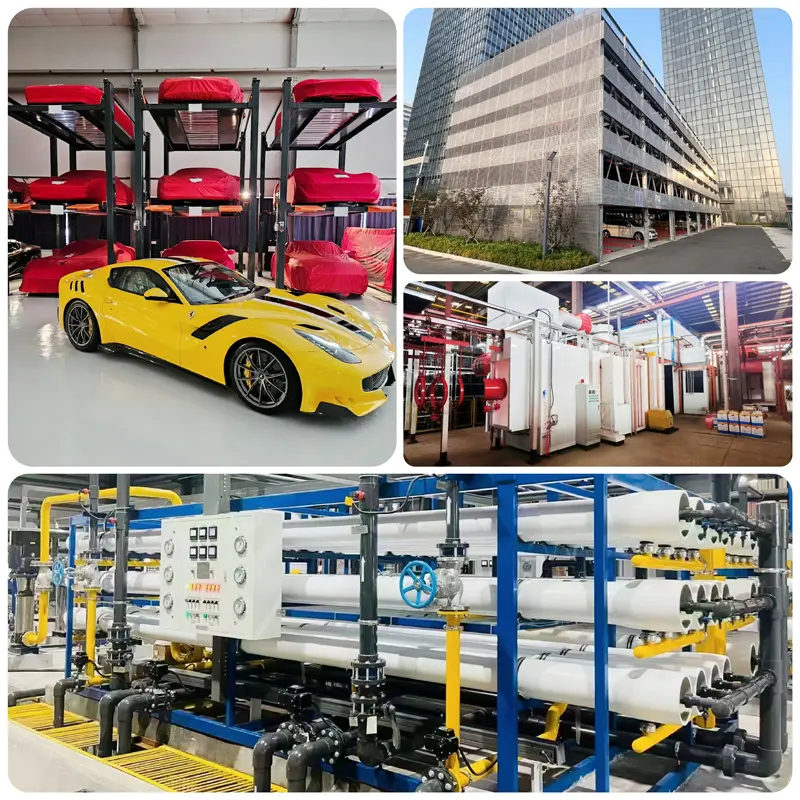
Cherish, a leading enterprise dedicated to providing high-quality equipment and solutions to global customers, has journeyed through 15 years since its inception. We have always adhered to the core values of "integrity, innovation, quality, and service," focusing on the research, development, manufacturing, and sales of car parking equipment, wastewater treatment equipment, and fully automatic spray coating equipment, aiming to create greater value for our customers.
Cherish has always upheld the principle of "quality as the foundation," strictly controlling every step from raw material procurement to production to ensure that product quality meets international leading standards. We have obtained multiple international certifications, including ISO9001 Quality Management System Certification and CE Certification, and our products are exported to many countries and regions worldwide.
We understand that excellent service is the cornerstone of business growth. Cherish has established a comprehensive pre-sales, in-sales, and after-sales service system, providing customers with full technical support and service guarantees. Our experienced service team is available 24/7 to respond to customer needs, ensuring a worry-free experience for our clients.
With an intensive footprint across heavy industrial engineering, environmental technology, and automated coating lines, Cherish brings high-precision specifications to global procurement projects.
Critical spatial, weight, and electrical clearances required for modern architectural design.
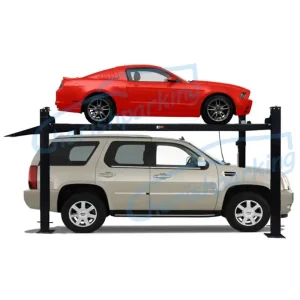
Designing modern commercial structures or residential garages requires deep attention to Mechanical Parking Dimensions. Spatial optimization works only when the architectural concrete shell aligns perfectly with the physical footprints of vertical lifts. Below is a comprehensive engineering breakdown of the key dimension profiles for various mechanical parking styles:
| Parking System Type | Standard Platform Width (mm) | Required Ceiling Clear Height (mm) | Standard Pit Depth (mm) | Maximum Load Capacity (kg) |
|---|---|---|---|---|
| Single Post Stacker (2-Level) | 2100 - 2200 mm | 3200 - 3600 mm | N/A (Above Ground) | 2000 - 2500 kg |
| Double Post / Tilting Lift | 2000 - 2150 mm | 2900 - 3100 mm | N/A (Above Ground) | 2000 kg |
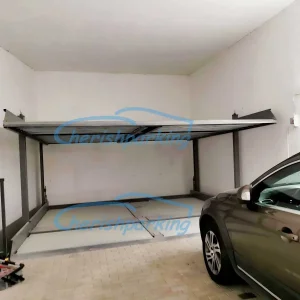
| Underground Pit Lift (2/3-Level) | 2200 - 2400 mm | 3500+ mm (Above Ground) | 1700 - 2000 mm per Level | 2500 - 3200 kg |
| Triple Post Multi-Level Stacker | 2200 - 2500 mm | 4800 - 5800 mm | N/A (Above Ground) | 2500 kg per Platform |
| Automatic Puzzle System (Sliding/Lifting) | 2200 - 2400 mm (Clear) | (Number of Levels x 1850) + 500 mm | Optional (Can be Pit or Above) | 2000 - 2800 kg |
Why top tier international real estate developers and project managers source from China's smart manufacturing hubs.
Chinese factories are located within close proximity to major high-grade steel producers. This access allows manufacturers to purchase certified Q355B and Q460 carbon structural steel directly, assuring that structural columns, scissor arms, and runways have high tensile strength and yield resistance without inflating material transit costs.
By investing heavily in automated robotic welding arms, computerized multi-axis laser cutters, and high-capacity CNC bending centers, Chinese production facilities achieve high consistency across parts. Millimeter-level tolerance controls guarantee smooth platform travel, eliminating friction, reducing long-term operational wear, and keeping systems quiet.
Corrosion is a primary enemy of hydraulic structural steel. Modern Chinese manufacturing lines run automated shot-blasting, electrophoretic coating (E-coat), and dual-layer powder baking systems. This surface treatment matches automotive standards, achieving salt spray resistance in excess of 1000 hours—ideal for coastal environments or humid basement installations.
The global mechanical parking market is transitioning toward integrated automated building technologies. Standard standalone lifts are being upgraded with smart systems to align with urbanization, high real estate values, and sustainability goals.
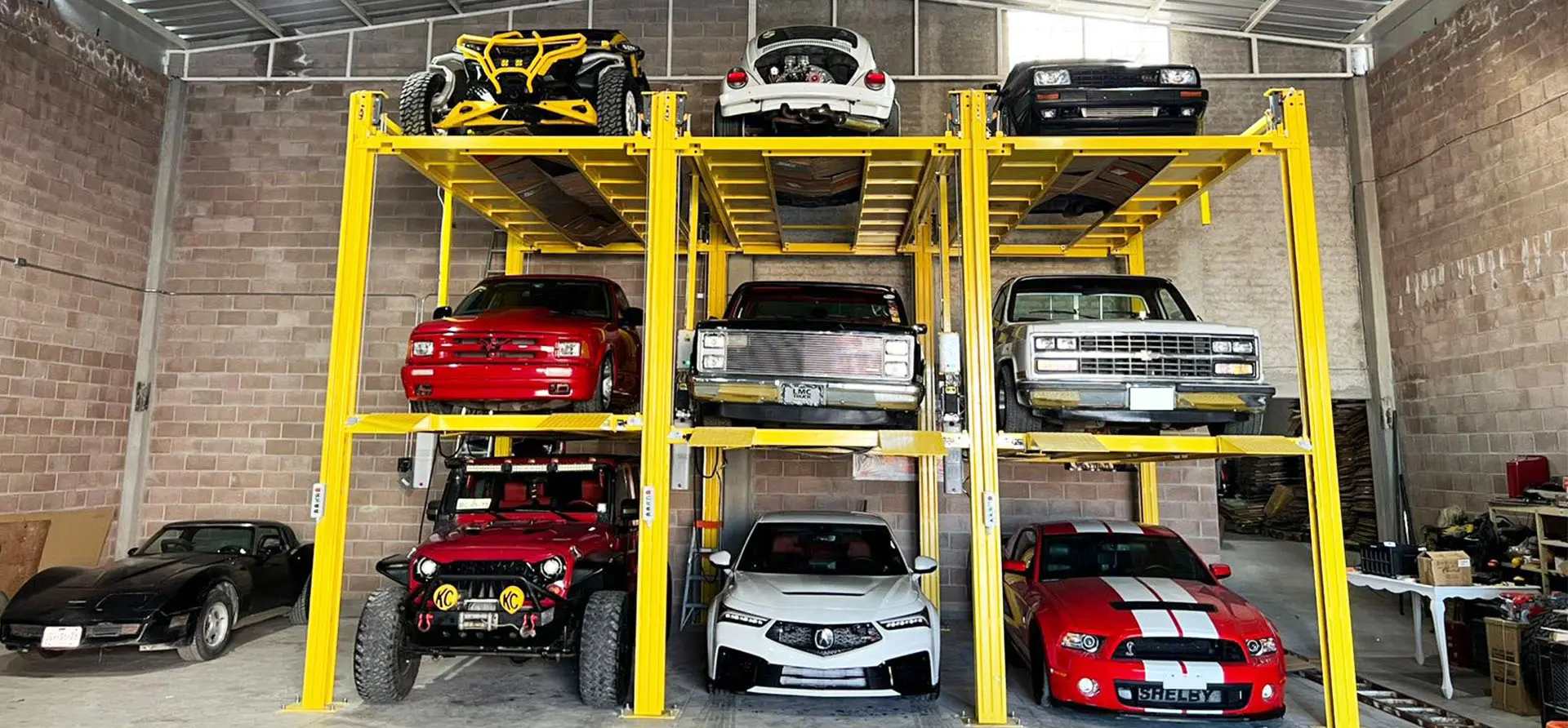
How different property types utilize mechanical parking systems to optimize vehicle density and minimize site footprint.
Urban real estate demands the efficient allocation of basement space. Implementing multi-tier puzzle parking or underground pit stackers allows developers to triple the number of available parking spaces within the same concrete box. This lowers excavation costs and complies with municipal parking ratio mandates.
Commercial shopping centers and office towers experience heavy peak traffic. Smart automated puzzle systems with fast cycle speeds (up to 1.5 m/s) and user-friendly touch screens allow drivers to self-park. Integrated safety light curtains and ultrasonic sensors ensure complete protection for drivers and vehicles.
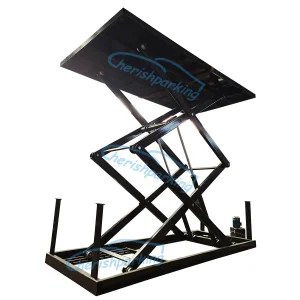
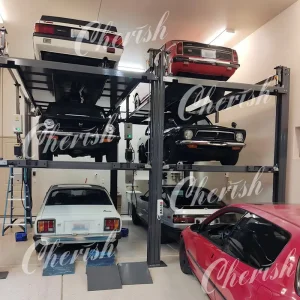
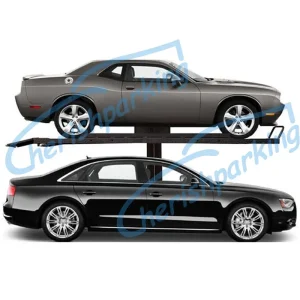
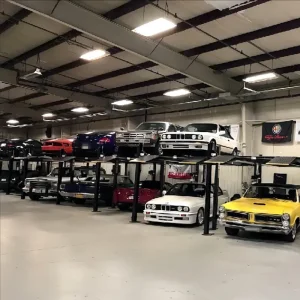
For high-end residential projects and private vehicle galleries, low-profile two-post stackers and scissor platform lifts maximize clear ceiling spaces. The hydraulic configurations are tuned to provide quiet operation, allowing collectors to store luxury vehicles directly above one another.
Procuring industrial-grade mechanical parking systems internationally requires strict verification of structural, safety, and operational standards. Enterprise buyers should follow these key criteria:
Systems exported to Europe must comply with the Machinery Directive 2006/42/EC and EN 14010 standards, bearing the CE mark. For North American sites, hydraulic and electrical panels must conform to UL 508A and local building codes (e.g., ASME standards for vehicle lifts).
High-quality factories apply Non-Destructive Testing (NDT), such as ultrasonic or magnetic particle testing, on load-bearing weld seams. Ensure the manufacturer provides ISO 9001 certified QA documents for structural steel integrity before shipment.
Because structural columns are long and heavy, proper packing in 40-foot High Cube (40HQ) containers is critical. Components must be wrapped in heavy-duty protective plastics and secured with steel cables to prevent shift-induced warping or paint damage during ocean freight transit.
Look for multiple mechanical lock positions on posts. Hydraulic cylinders must feature safety flow-restrictor valves to prevent rapid platform descent in the rare event of a hose rupture.
Cherish's comprehensive engineering portfolio extends from high-capacity mechanical vehicle storage to advanced industrial coating setups and environmental protection equipment.
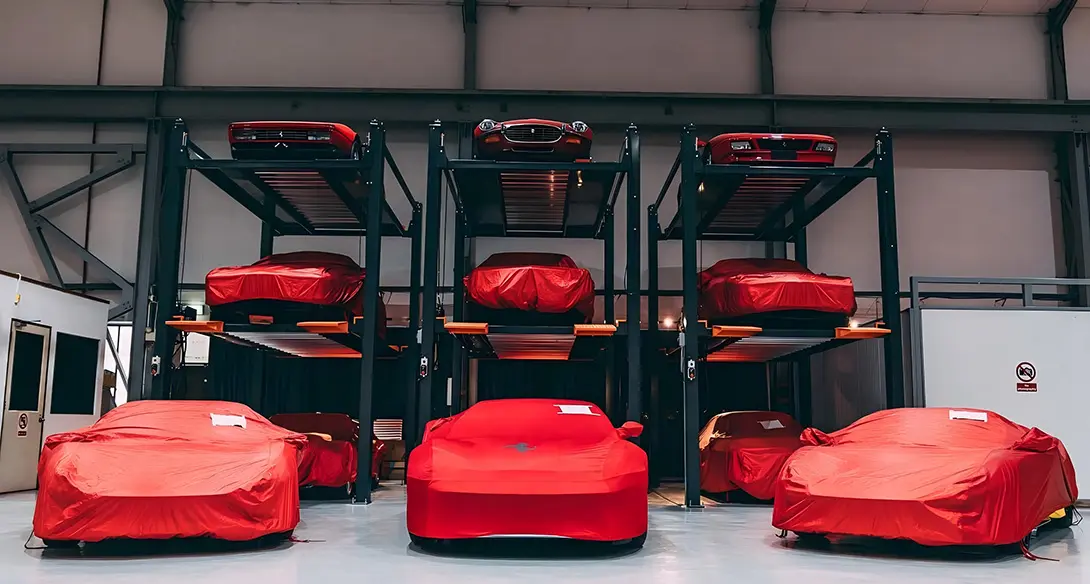
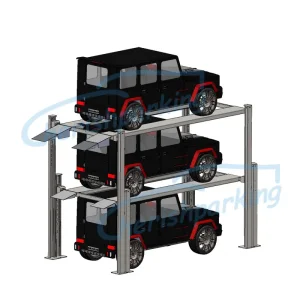
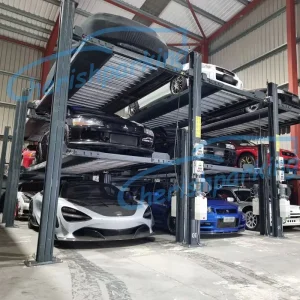
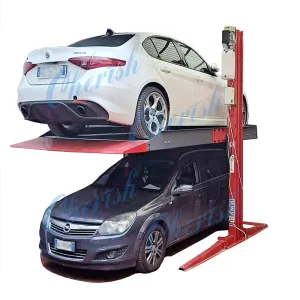
Heavy-duty multi-tier stackers engineered for industrial car yards, vehicle logistics centers, and large-scale residential developments.
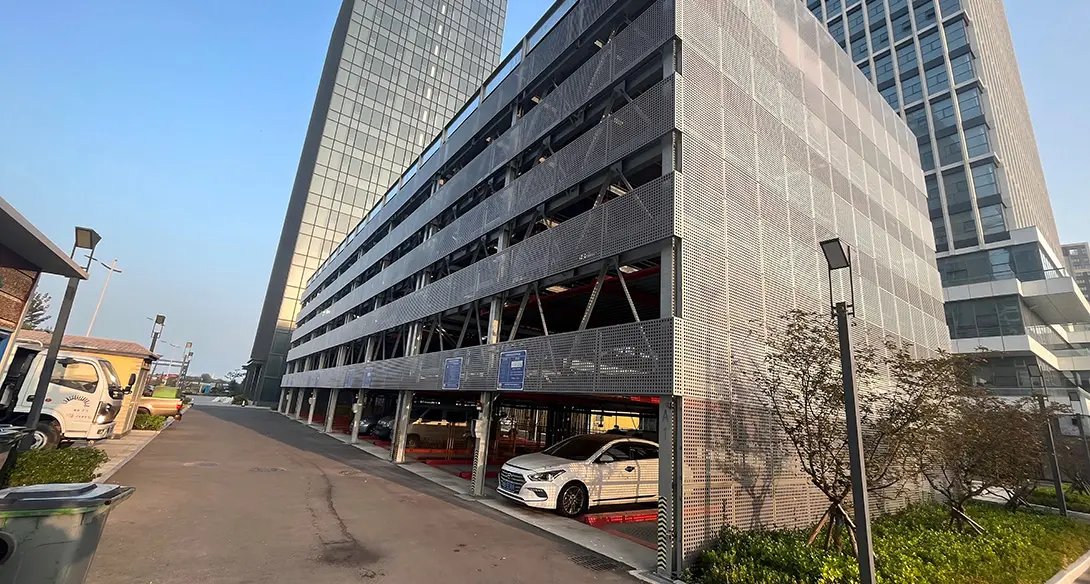
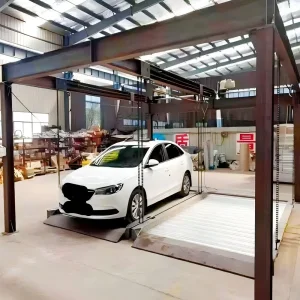
Smart PLC-controlled puzzle arrays designed for rapid parking/retrieval cycles in tight commercial structures.
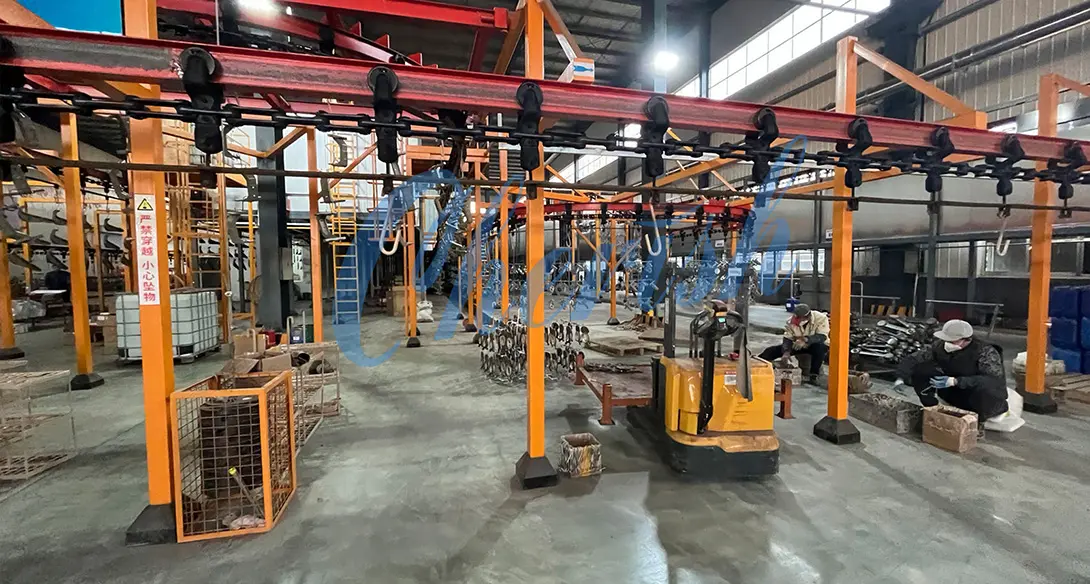
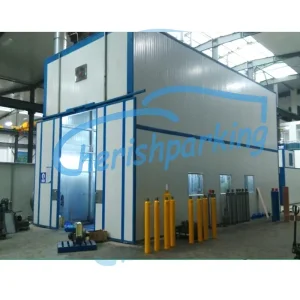
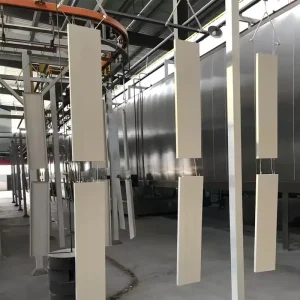
Automated metal pretreatment, electrostatic powder spray booths, and high-temp curing ovens for heavy machinery parts.
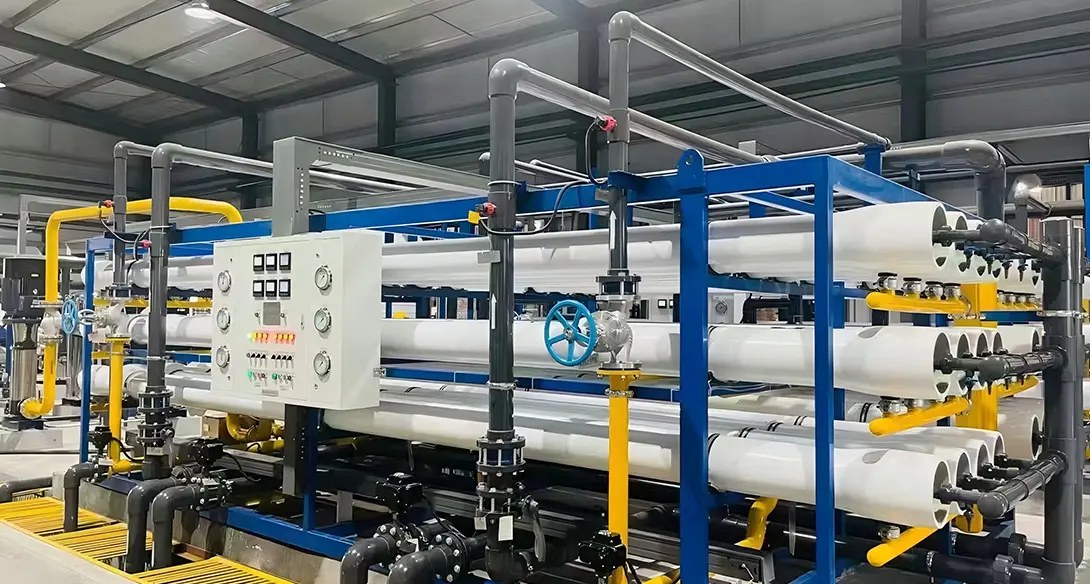
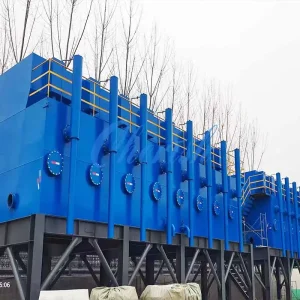
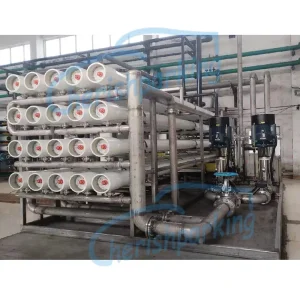
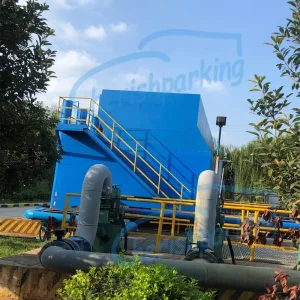
High-efficiency biological wastewater filters, MBR membranes, and sludge dewatering machinery for municipal and industrial camps.
Common technical questions asked by structural engineers, property developers, and international procurement managers.
Examine our full lineup of CE-certified vehicle stackers, architectural space optimizers, and automated surface processing lines.