
Cherish
The demand for Scissor Lift Car Elevators is rising globally. Reports indicate an expected growth rate of 5.7% annually over the next five years. This trend reflects an increasing focus on urbanization and vertical transport solutions. Experts in the industry emphasize the importance of choosing the right equipment to enhance space efficiency and safety in multi-story buildings.
“Investing in reliable Scissor Lift Car Elevators not only improves functionality but also significantly boosts property value,” says John Smith, a renowned expert in vertical transportation systems. His insights highlight the need for buyers to prioritize quality and safety features customized to their specific needs.
Choosing the right Scissor Lift Car Elevator can be challenging. Many buyers overlook critical factors like weight capacity, installation space, and maintenance requirements. As the market becomes saturated, it’s crucial to assess options carefully. Each choice impacts long-term operational efficiency and safety standards.
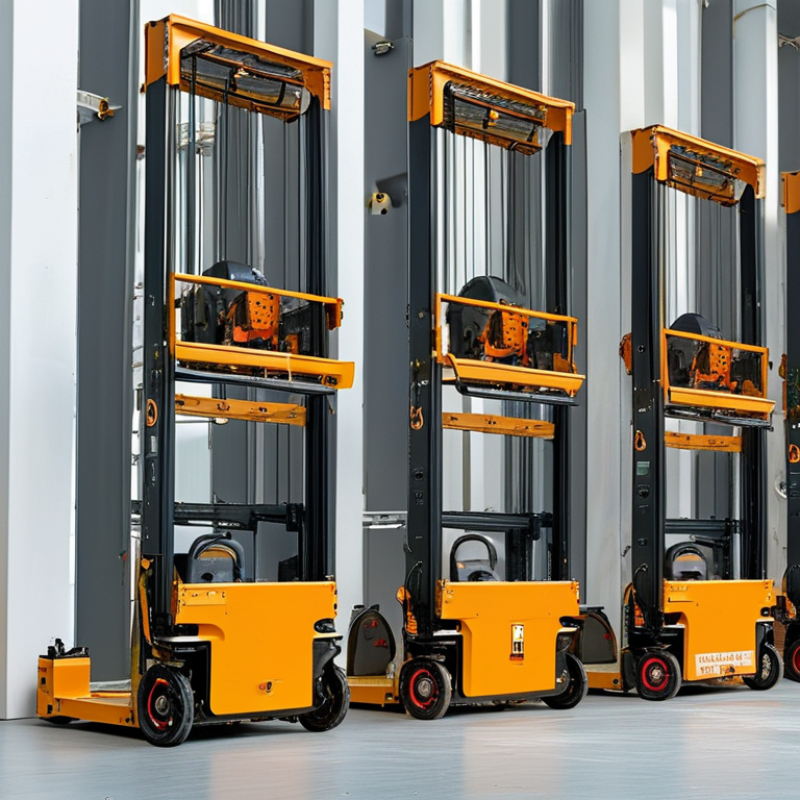
Scissor lift car elevators are vital in modern construction and transportation. These devices provide efficient vertical movement of vehicles between different levels. Their design incorporates hydraulic systems, allowing for smooth operation. You may have seen them in parking garages, commercial buildings, or even residential areas.
Understanding how these lifts work is essential for buyers. Different models come with various weight capacities, ranging from light-duty for cars to heavy-duty for larger vehicles. Buyers should consider the lift's dimensions and the space available. Safety features, such as emergency stop buttons and overload sensors, are also crucial.
Installation often requires professional assistance, ensuring compliance with safety standards and regulations. However, some users report challenges in maintenance. Regular inspections are necessary to prevent potential malfunctions. Choosing the right scissor lift involves careful thought and planning. It’s essential to weigh the pros and cons before making a decision.
Choosing a scissor lift car elevator involves considering several key features. The lifting capacity is crucial to ensure it meets your vehicle's weight. Most scissor lifts can handle different ranges, so understanding your needs is important. The height limit is another significant factor. Different models allow for various heights, so compare options based on your garage or building's requirements.
Safety features should not be overlooked. Look for models equipped with emergency stop buttons and overload protection. These features enhance user safety and prevent accidents. The design and build quality matter as well. A robust, durable unit will offer better reliability over time.
When selecting a scissor lift, also think about maintenance. Regular upkeep is essential for performance continuity. Check for easy access to parts for repairs. Some models might require specialized knowledge for servicing, which can add to costs. Keep an eye on features like portability if you plan to relocate the lift frequently.
Material choice is vital too. Steel provides strength, but aluminum models are lighter. Consider the balance between weight and strength for longevity. Investing time in research could save money and enhance the utility of your scissor lift car elevator.
The scissor lift car elevator market is witnessing significant growth, driven by increasing urbanization and vertical construction trends. Key players in this sector focus on innovation and safety features to meet diverse customer needs. Elevators designed for cars not only save space but also enhance user convenience. These lifts are engineered to support heavy loads, ensuring reliability. It's crucial for manufacturers to maintain strict quality controls throughout the production process.
Choosing the right brand involves assessing their experience and expertise in the field. Companies with a long-standing reputation often showcase their commitment to excellence through robust customer feedback and industry certifications. Buyers must prioritize brands that invest in research and development to push the boundaries of lift technology. It’s not uncommon for clients to feel overwhelmed by the myriad of choices available, leading to reflections on their specific requirements. Customization options can be a double-edged sword, creating both opportunities and challenges for decision-making. Being informed means carefully weighing the pros and cons before making a selection.
| Model | Max Capacity (kg) | Lift Height (m) | Platform Dimensions (m) | Weight (kg) |
|---|---|---|---|---|
| Model A | 3000 | 4 | 2.5 x 1.3 | 850 |
| Model B | 3500 | 5 | 3.0 x 1.5 | 950 |
| Model C | 4000 | 6 | 3.5 x 1.7 | 1100 |
| Model D | 4500 | 7 | 4.0 x 1.8 | 1300 |
| Model E | 5000 | 8 | 4.5 x 2.0 | 1500 |
The global market for scissor lift car elevators is evolving rapidly. Innovations in design are enhancing safety and efficiency. Buyers today look for more than just functionality; they desire features that improve user experience. Modern elevators now incorporate smart technology. This allows for seamless integration into building management systems. User-friendly controls are essential for both stratified and urban environments.
Energy efficiency is also a key trend. Elevators that consume less power during operation are becoming standard. With growing environmental concerns, buyers prefer sustainable solutions. Moreover, compact designs that save space are increasingly popular. These innovations reflect a shift toward smarter, more efficient urban living.
However, challenges remain in the global market. Not all manufacturers adhere to the same safety standards. This inconsistency can lead to confusion for buyers. Additionally, the maintenance of such technology can be complex. Users often face difficulties finding skilled professionals. The market is ripe for further development in these areas. Balancing innovation with reliability is crucial for the future.
Safety regulations for scissor lift car elevators are critical in ensuring user protection. Each country has its own standards, encompassing aspects like design, maintenance, and operation. These regulations often dictate the maximum load capacity and the requirement for safety features such as emergency stop buttons and warning alarms. Compliance with these regulations is essential for manufacturers and operators alike.
Understanding these safety standards isn't always straightforward. Some countries may not have specific laws, and this can lead to confusion. Operators must ensure that their equipment meets local safety regulations to avoid accidents. Regular maintenance checks are necessary; they help detect potential issues before they escalate. Training for personnel using these lifts is also vital. Knowledgeable operators can assess risks better and manage them effectively.
While safety regulations are rigorous, there is always room for improvement. Regular updates are needed as technology evolves. Stagnation can lead to outdated practices, which may compromise safety. Engaging with industry experts can provide valuable insights into recent developments. Building a culture of safety first can minimize errors and enhance operational efficiency.
: Ensure the lift can handle your vehicle's weight. Different models support various weight ranges.
Compare models based on your garage or building height requirements. Height varies between different lifts.
Emergency stop buttons and overload protection improve user safety. They help prevent potential accidents.
Regular upkeep is vital for smooth performance. Easy access to parts simplifies repairs and can reduce costs.
Steel offers strength while aluminum is lighter. Balance weight and strength for long-term use.
Regulations vary by country and include load capacity limits. Operators must comply to ensure safety.
Knowledgeable operators better assess and manage risks. Training minimizes the chances of accidents and errors.
Customization can create confusion. Carefully weigh pros and cons before making a decision.
They help identify issues early. This proactive approach prevents potential escalations and enhances safety.
Look at their experience and customer feedback. Research and development investment often indicates quality.
The article "Top Scissor Lift Car Elevator Options for Global Buyers" provides a comprehensive overview of scissor lift car elevators, covering essential aspects for potential buyers. It begins by explaining the functionality and benefits of scissor lift car elevators, emphasizing their role in maximizing space utilization in multi-level buildings. Key features such as load capacity, platform size, and safety mechanisms are highlighted as crucial factors to consider when selecting the right elevator for specific needs.
Additionally, the article delves into current market trends and innovations in the scissor lift car elevator sector, showcasing advancements that enhance efficiency and safety. It also addresses the importance of adhering to safety standards and regulations, ensuring that buyers are informed about compliance requirements. Overall, the guide serves as a valuable resource for global buyers seeking to make informed decisions regarding scissor lift car elevators.
