
Cherish Cherish

Top 10 Auto Stacker Models for Efficient Warehouse Solutions?

Time:2026-06-01 Author:Amelia
0%

In the fast-evolving world of warehouse management, efficiency is paramount. Auto Stackers have emerged as essential tools for optimizing space and operations. Leading expert Dr. Emily Johnson, a renowned logistics consultant, emphasizes, "The right Auto Stacker can transform a chaotic space into a highly efficient warehouse." Her insights highlight the critical impact of choosing the right model.

Selecting the optimal Auto Stacker involves more than just specs. Factors like load capacity, maneuverability, and efficiency ratings must be carefully evaluated. Many businesses struggle to identify the best options amidst a plethora of models. This decision-making process can be daunting, often leading to mistakes. A well-chosen Auto Stacker minimizes downtime and maximizes throughput, essential for competitive warehouse operations.

The market offers a range of Auto Stacker solutions, each catering to different needs. Some models shine in tight spaces, while others excel in heavy load scenarios. However, even the best models have limitations. No single Auto Stacker can solve all challenges. Understanding specific operational needs is key to avoiding pitfalls during selection. This guide examines the top ten Auto Stacker models, aiming to inform and assist businesses in making informed decisions.
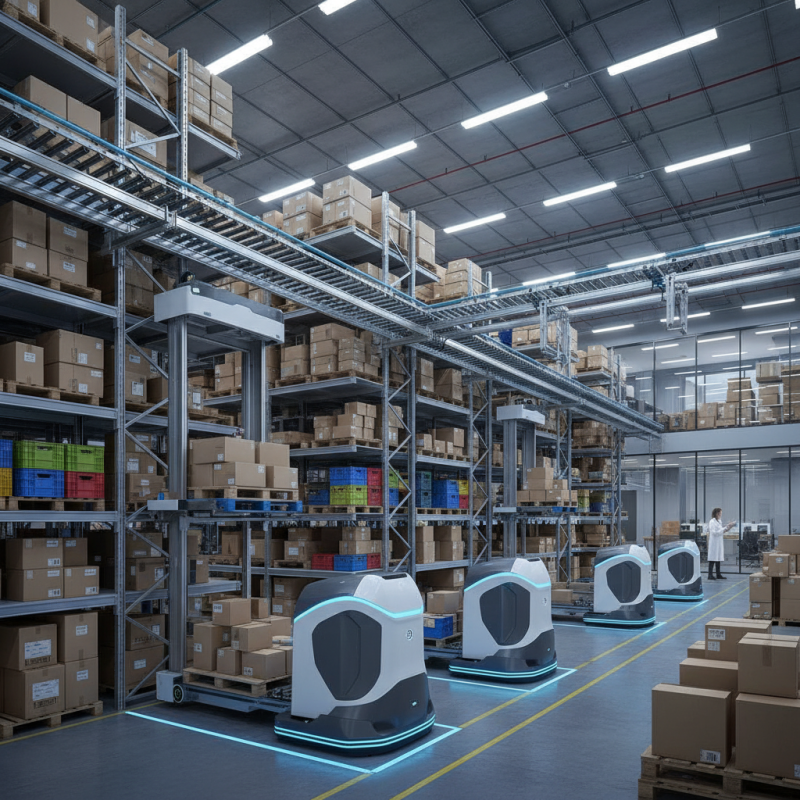
Top 10 Auto Stacker Models for Efficient Warehouse Solutions?

Understanding Auto Stackers: Key Features and Benefits

Auto stackers have become essential tools for warehouse efficiency. Their ability to handle heavy loads and streamline operations makes them a preferred choice in many industries. Understanding their key features can help in selecting the right model for your needs.

One important feature is the lifting capacity. Auto stackers can lift various weights, depending on the model. Choosing the right capacity ensures safety and efficiency. Consider the layout of your warehouse as well. A compact design can maximize space usage.

Tips: Regular maintenance is crucial. Inspect hydraulic systems and components routinely. This practice enhances the stacker's lifespan and performance. Also, ensure operators receive proper training. Knowledgeable staff leads to fewer accidents and better productivity.

Investing in an auto stacker also means considering the technology involved. Look for models with advanced controls and safety features. These can prevent accidents and improve workflow. However, technology comes with a learning curve. Staff might need time to adapt.

Utilizing auto stackers can transform warehouse operations. It’s essential to weigh all aspects before finalizing your decision. Balancing features, safety, and cost is vital for effective use of these machines.

Top Auto Stacker Models: A Detailed Comparison

In the quest to enhance warehouse efficiency, auto stackers have emerged as crucial assets. These machines can optimize storage space and streamline operations. According to a 2022 report by the Warehousing Equipment Manufacturing Institute, 70% of warehouses have benefited from implementing automated solutions. This adoption showcases a clear trend toward technology-driven efficiency.

When comparing top auto stacker models, various factors come into play. Load capacity is critical; many models can handle weights ranging from 1000 kg to 2000 kg. Speed is another vital element. Some machines operate at speeds exceeding 6 meters per second. These specifications provide operational efficiency, yet decision-makers must also assess reliability and maintenance costs associated with each model.

However, there are challenges to consider. For instance, integration with existing systems can be complex. A study published in the Journal of Supply Chain Management indicated that 40% of operations faced initial integration hurdles when adding automation. This reality highlights the importance of thorough planning and evaluation. Flexibility and scalability must also be prioritized, as dynamic warehouse environments continue to evolve.

Efficiency in Action: Use Cases for Warehouse Operations

In modern warehouse operations, efficiency is crucial. Auto stackers simplify the storage process, leading to significant productivity gains. A recent industry report indicates that implementing automated stackers can increase warehouse throughput by up to 30%. This efficiency translates into faster order fulfillment and reduced labor costs.

Consider a scenario where an auto stacker is utilized in a high-density storage system. This allows for optimal space usage, accommodating more pallets in less room. One study found that such systems improved inventory accuracy by 40%. Mistakes in product picking decreased, ensuring customers receive the right goods swiftly.

However, transitioning to an automated system presents challenges. Training staff to operate new technologies may take time.

Investing in auto stackers also raises initial costs. While long-term savings are evident, short-term budget constraints could be a hurdle. Regular maintenance is necessary to avoid operational hiccups. Investing in training programs can mitigate these issues. Evaluating the balance between automation and manual labor is an ongoing consideration.

Maintenance Tips for Long-Lasting Auto Stackers

When it comes to auto stackers, maintenance is key for longevity. Regular servicing helps to identify potential issues before they escalate. Small problems, if ignored, can lead to costly repairs. Consistent checks on hydraulic systems and electrical components are essential.

Keep your auto stackers clean. Dust and debris can affect performance. A clean machine operates more efficiently, reducing the risk of breakdowns. Lubrication of moving parts is vital. Insufficient lubrication can cause wear and tear.

Monitor battery health regularly. A dying battery can lead to interruptions in work. It's advisable to fully charge batteries after usage. Also, schedule annual professional inspections for deeper insights. Neglecting this can result in unexpected failures.

Future Trends in Auto Stacker Technology and Innovation

The future of auto stacker technology is promising. Innovations are making warehouse operations more efficient than ever. Autonomy is a key trend. Many new auto stackers feature advanced AI, enabling them to navigate complex environments seamlessly. This reduces the need for human intervention and increases safety in the workplace.

Robotics is evolving rapidly. Modern auto stackers utilize sensors to enhance performance. These stackers can detect obstacles and adjust their routes accordingly. This capability prevents accidents. However, reliance on technology can create challenges. Regular maintenance becomes crucial to ensuring these systems work flawlessly.

Tips: Regularly train staff on new technologies. Engage them in understanding how auto stackers operate. This boosts confidence and efficiency. Additionally, consider incorporating analytics into your operations. Tracking performance metrics can highlight areas for improvement. Reviewing these metrics offers valuable insights for future innovations.

FAQS

: What benefits do auto stackers provide to warehouse operations?

: Auto stackers increase storage efficiency, leading to productivity gains. They can boost warehouse throughput by 30%.

How do auto stackers improve inventory accuracy?

Implementing auto stackers can enhance inventory accuracy by 40%. They reduce product picking mistakes significantly.

What challenges come with transitioning to automated systems?

Training staff to operate new technologies can be time-consuming. Initial costs may also present budget constraints.

Why is regular maintenance important for auto stackers?

Regular maintenance prevents operational issues. It ensures that the auto stackers work flawlessly in dynamic environments.

How does technology impact auto stacker safety?

Advanced AI allows auto stackers to navigate efficiently. This reduces human intervention and enhances workplace safety.

What role does staff training play in using auto stackers?

Regular training boosts staff confidence and efficiency. Engaging them in operations helps them understand the technology better.

How can analytics improve warehouse operations?

Analytics track performance metrics. They highlight areas needing improvement and inform future innovations in operations.

Are there risks associated with reliance on technology?

Yes, increased reliance on technology can lead to challenges. Regular updates and maintenance are essential to avoid downtime.

What should be considered when balancing automation and manual labor?

Evaluating the mix of automation with manual labor is crucial. Each warehouse may have unique needs requiring different approaches.

How does the future of auto stacker technology look?

The future is bright, with promising innovations. Advances in autonomy and robotics will continue enhancing efficiency in warehouses.

Conclusion

The article "Top 10 Auto Stacker Models for Efficient Warehouse Solutions" provides an in-depth exploration of auto stackers, focusing on their key features and benefits that enhance warehouse operations. It presents a detailed comparison of the top models available, helping readers understand the best options for their specific needs. The article emphasizes the efficiency of auto stackers in various warehouse scenarios and highlights practical use cases that demonstrate their effectiveness in optimizing space and improving productivity.

Furthermore, the piece addresses essential maintenance tips to ensure the longevity and reliability of auto stackers, alongside insights into future trends and innovations in auto stacker technology. This comprehensive overview equips warehouse managers with the knowledge necessary to make informed decisions and stay ahead in an ever-evolving industry.

Amelia

Amelia

Amelia is a seasoned marketing professional with a wealth of expertise in our company’s core offerings. With an unwavering passion for driving growth and innovation, she plays a pivotal role in shaping our marketing strategies and enhancing brand visibility. A key aspect of her responsibilities......