 Cherish
Cherish
Cherish
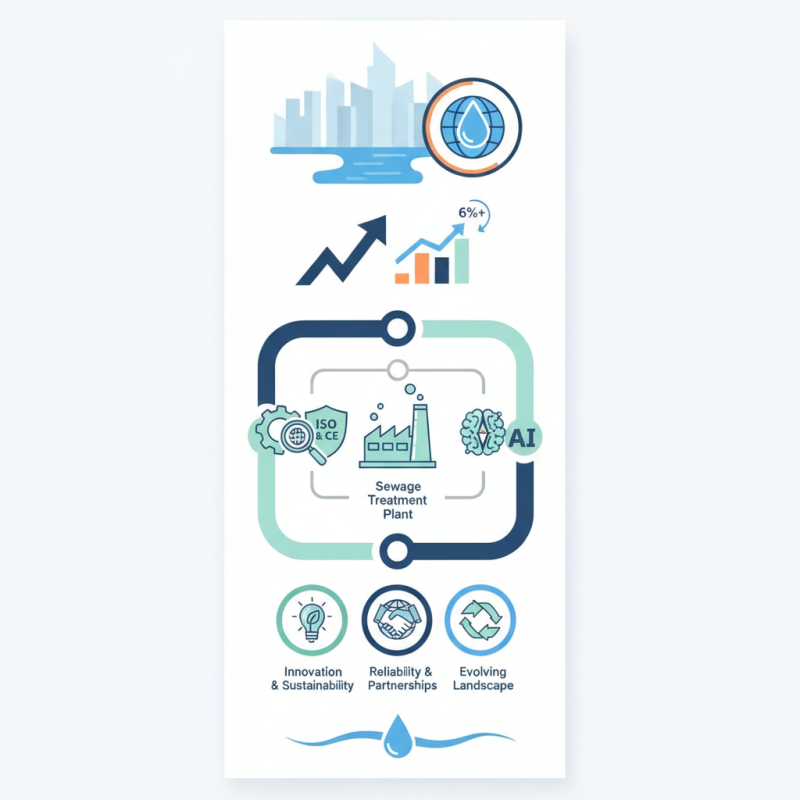
As the global demand for clean water rises, the sewage treatment equipment market is evolving rapidly. The 2026 Canton Fair presents an exceptional opportunity for industry stakeholders. With a staggering rise in urbanization, analysts predict that the sewage treatment equipment industry will grow by approximately 6% annually. The need for efficient "Sewage Treatment Equipment Plant" solutions is critical.
Dr. Emily Chen, an expert in wastewater management, states, "Investing in advanced sewage treatment solutions is no longer optional; it’s a necessity." This reflects the pressing challenges faced by municipalities worldwide. Attendees at the Canton Fair can leverage AI-driven features to pinpoint suppliers that meet essential certifications, such as ISO and CE.
Navigating the expansive exhibition space can be daunting. Nonetheless, the new intelligent navigation system aims to streamline this experience. Industry professionals must be vigilant, examining not just the technological advancements but also the reliability and sustainability of potential partners. The evolving landscape calls for reflection on past practices and a commitment to innovation in the sewage treatment sector.
Choosing sewage treatment equipment requires understanding its types and functions. There are various systems available today, each serving specific needs. Aerobic treatment units, for instance, rely on oxygen to break down waste. They are effective for smaller operations. In contrast, anaerobic digesters work without oxygen, suitable for larger wastewater volumes. According to recent market reports, the global sewage treatment equipment market is projected to reach $72 billion by 2027. This highlights the growing importance of these systems.
When selecting equipment, consider functionality. Each type has unique characteristics. For example, membrane bioreactors combine filtration and biological treatment. They are highly efficient but can be costly. Cost constraints may limit options. However, quality should not be sacrificed for budget. Look for systems with proven durability and efficiency.
**Tips:** Research regulatory requirements in your area. Ensure compliance with environmental standards. Also, assess the maintenance aspects. Some systems require more upkeep than others. Understand the long-term implications of your choice. A well-informed decision will save money over time. Choose wisely to support sustainable practices.
| Type of Equipment | Function | Capacity (m³/day) | Power Consumption (kW) | Maintenance Frequency (Months) |
|---|---|---|---|---|
| Activated Sludge Process | Biological treatment using microorganisms | 1000 | 15 | 6 |
| Membrane Bioreactor (MBR) | Combines biological treatment and membrane filtration | 500 | 20 | 12 |
| Sequential Batch Reactor (SBR) | Batch process for treatment in a single tank | 800 | 10 | 6 |
| Constructed Wetlands | Natural treatment using vegetation and soil | 300 | 5 | 24 |
| Rotating Biological Contactor (RBC) | Surface biofilm treatment method | 600 | 12 | 12 |
: There are aerobic treatment units, anaerobic digesters, and membrane bioreactors, each serving specific needs.
Aerobic systems use oxygen to break down waste, while anaerobic systems work without it, handling larger volumes.
Evaluate functionality, efficiency, durability, maintenance needs, and compliance with local environmental standards.
Reducing energy usage can lower operational costs, with some advanced solutions achieving a 30% reduction.
Equipment with lower failure rates can save facilities up to 25% in maintenance costs due to reduced downtime.
A high price doesn't guarantee quality; assessing long-term savings and features is essential for value.
Engaging with manufacturers about warranties can provide insights into performance and reliability of the equipment.
Research and choose systems designed for efficiency to minimize environmental impact and operational costs over time.
Yes, affordable options may incur significant repair and energy costs, leading to frustration and greater expenses.
Prioritizing your specific needs helps guide you toward the best equipment amidst many offerings.
When attending the Canton Fair 2026, it's crucial to choose the best Sewage Treatment Equipment Plant tailored to your specific needs. Start by understanding the various types of sewage treatment equipment available, along with their functions, to determine which system aligns with your operational requirements. Key features such as energy efficiency, maintenance needs, and capacity should be prioritized in your selection process.
Evaluating the efficiency and performance metrics of different treatment solutions will help you identify the most effective options. Additionally, comparing various suppliers and brands can provide insight into market standards and innovation. Finally, making informed purchasing decisions involves a careful cost versus value analysis, ensuring that you invest in sewage treatment equipment that offers long-term benefits without compromising on quality. By following these guidelines, you can secure a reliable and efficient sewage treatment system that meets your operational goals.
