
Cherish Cherish

10 Best Scissor Parking Lift Options for Global Buyers

Time:2026-09-06 Author:Madeline
0%

Choosing the right Scissor Parking Lift requires more than comparing lifting capacity and advertised prices. Global buyers must examine vehicle dimensions, ceiling height, platform size, installation conditions, and local safety requirements. A lift that works well in a spacious European workshop may perform poorly in a compact urban garage. Small differences matter.

This guide reviews 10 Best Scissor Parking Lift Options for Global Buyers, focusing on practical performance, construction quality, maintenance access, and supplier reliability. Each option should be assessed through documented specifications, load testing records, warranty terms, and available technical support. Look closely at hydraulic components, emergency lowering systems, anti-slip platforms, limit switches, and corrosion protection. These details often reveal more than polished product photos.

Safety comes first.

In real projects, installation surfaces may be uneven, drainage may be inadequate, or power requirements may be misunderstood. These issues can delay commissioning and increase long-term costs. Buyers should confirm foundation requirements, electrical standards, delivery responsibilities, and inspection procedures before placing an order. Local regulations and building codes also need professional verification, because requirements differ between countries and cities.

No ranking can suit every site. A lower-cost model may appear attractive, yet spare parts could be difficult to obtain. A premium lift may offer stronger support, but its footprint could limit usability. This review aims to provide a dependable starting point, while acknowledging that product data and supplier performance can change. Careful comparison remains essential.
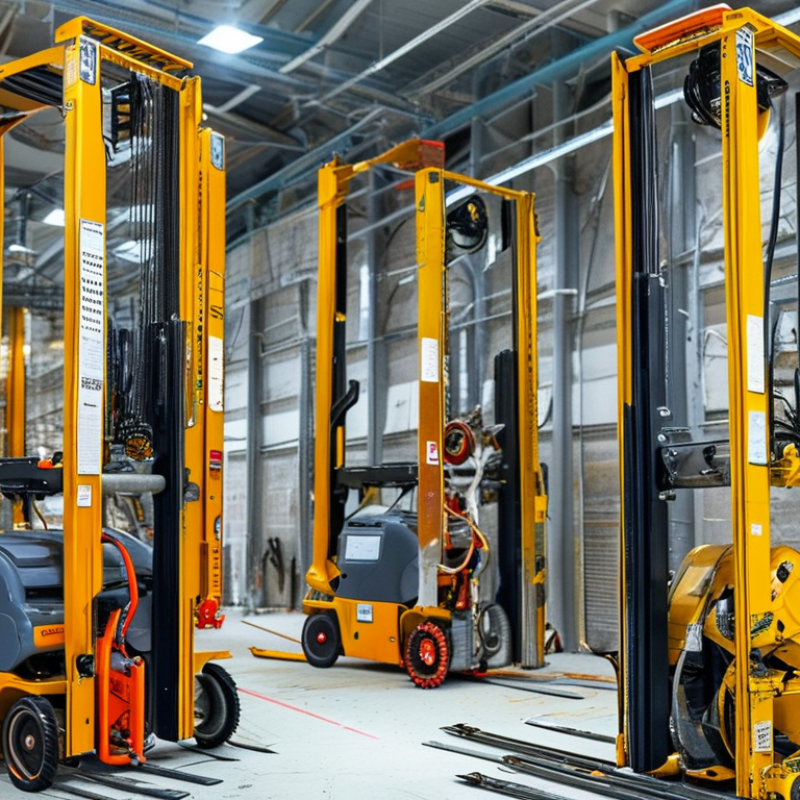
10 Best Scissor Parking Lift Options for Global Buyers

What Is a Scissor Parking Lift and How Does It Work?

10 Best Scissor Parking Lift Options for Global Buyers

What Is a Scissor Parking Lift and How Does It Work?

A scissor parking lift raises one vehicle above another using linked steel arms. Hydraulic cylinders open the arms like scissors. The platform then moves vertically, creating a second parking level without a long ramp. Mechanical locks support the platform after lifting, while sensors help detect door, obstacle, and overload risks.

The system suits basements, workshops, dealerships, and compact residential sites. It needs a strong, level floor and enough ceiling clearance. According to the UN-Habitat World Cities Report 2022, 56% of the global population lived in cities in 2021. That share may reach 68% by 2050. Land pressure is real. Still, a lift does not create free space. It relocates the problem upward.

A practical buyer should examine rated load, platform width, lifting height, drainage, power supply, and emergency lowering. EN 14010 provides a useful European safety reference for powered parking equipment. Local codes may require additional safeguards. I have seen plans fail because engineers measured the vehicle only, not mirrors, roof boxes, or opening doors.

Tips: Leave clearance around the platform. Confirm floor strength with a qualified engineer. Ask for cycle-test records, inspection instructions, and spare-part availability. Do not treat a lower purchase price as the lowest ownership cost. Retractable ramps and poor drainage can become expensive weaknesses.

Scissor Parking Lift: Typical Specifications for Global Buyers

A scissor parking lift uses linked steel arms that open and close like scissors to raise a vehicle platform vertically. The following chart compares representative, non-brand-specific configurations commonly used in residential, commercial, and automated parking applications.

Capacity indicates the maximum supported vehicle load, lifting height determines the available parking clearance, and lift time reflects the approximate duration of one vertical movement. Actual specifications vary according to platform size, hydraulic system, safety requirements, installation conditions, and local regulations.

Key Types of Scissor Parking Lifts for Different Vehicle Needs

10 Best Scissor Parking Lift Options for Global Buyers

Key Types of Scissor Parking Lifts for Different Vehicle Needs

Scissor parking lifts suit sites where vertical space is limited and floor access must remain clear. A single-platform lift works well for sedans, compact SUVs, and private garages. It raises one vehicle above another, using a reinforced steel platform and hydraulic scissor arms. Check the rated load, platform width, and maximum lifting height before purchase. Small differences matter.

For higher parking demand, double-platform and tandem systems provide more storage density. Dependent systems are practical when the lower vehicle can move first. Independent systems cost more, but they reduce daily vehicle shuffling. Puzzle-style configurations can use irregular spaces, although installation planning becomes more complex. The IEA Global EV Outlook 2024 recorded almost 14 million electric car sales in 2023, representing about 18% of global car sales. Therefore, buyers should verify platform length, ramp angle, and clearance for heavier electric vehicles.

Basement projects often need low-profile scissor lifts with shallow pits or surface-mounted frames. Outdoor users should consider drainage, corrosion protection, emergency lowering, and temperature performance. Parking consultants commonly review floor strength and vehicle dimensions before selecting equipment, not afterward. This seems obvious, yet it is frequently missed. The United Nations expects nearly 68% of the world’s population to live in urban areas by 2050, increasing pressure on compact parking layouts. Buyers should compare tested safety systems, installation records, maintenance access, and local technical requirements rather than choosing by lifting speed alone.

10 Leading Scissor Parking Lift Options for Global Buyers

Global buyers comparing the 10 leading scissor parking lift options should begin with site conditions, not price. These systems may include single-platform lifts, double-level models, pitless designs, and compact units for narrow garages. Some support residential parking, while others suit commercial facilities with heavier daily use. Check rated load, platform size, lifting height, cycle time, and emergency lowering features. A clear control panel matters when drivers use the system without technical training. Installation drawings should show floor strength, ceiling clearance, drainage, and electrical requirements.

Tips: Measure twice before ordering. Confirm vehicle height and wheelbase. Ask for test reports, warranty terms, spare-part availability, and local service support. Verify whether the equipment meets applicable safety standards in the installation country. A translated manual can prevent costly mistakes.

Reliable selection also requires a realistic maintenance plan. Inspect hydraulic hoses, locking devices, sensors, and moving joints at scheduled intervals. Dust, moisture, and uneven floors can shorten service life. A low purchase price may look attractive, but hidden installation work can change the final budget. I have seen specifications appear complete while omitting noise levels or foundation details. That deserves careful questioning. No option is perfect; the best choice balances capacity, footprint, safety controls, maintenance access, and long-term operating conditions.

10 Best Scissor Parking Lift Options for Global Buyers - 10 Leading Scissor Parking Lift Options for Global Buyers

No. Scissor Parking Lift Configuration Typical Parking Capacity Rated Load Platform Size (L × W) Maximum Lift Height Minimum Platform Height Pit Requirement Typical Power Unit Approx. Lifting Time Best Application
1 Single-Platform Hydraulic Scissor Lift 1 vehicle 2,700 kg 5,000 × 2,500 mm 1,800 mm 180 mm Shallow pit 2.2 kW hydraulic power unit 45–60 seconds Private garages and small residential parking areas
2 Pitless Mobile Scissor Parking Lift 1 vehicle 2,500 kg 4,800 × 2,300 mm 1,600 mm 120 mm No pit 2.2 kW hydraulic power unit 50–70 seconds Existing buildings where excavation is restricted
3 Heavy-Duty SUV Scissor Lift 1 vehicle 3,500 kg 5,300 × 2,600 mm 1,900 mm 200 mm Shallow pit 4.0 kW hydraulic power unit 55–75 seconds SUVs, pickup trucks and larger passenger vehicles
4 Double-Deck Dependent Scissor Lift 2 vehicles 2,700 kg per platform 5,000 × 2,500 mm 3,600 mm total system height 220 mm Shallow pit 4.0 kW hydraulic power unit 70–90 seconds Residential developments and compact parking facilities
5 Tandem Scissor Parking Platform 2 vehicles in tandem 4,000 kg total 10,000 × 2,500 mm 1,800 mm 220 mm Pit preferred 4.0 kW hydraulic power unit 60–85 seconds Long parking bays and low-rise commercial properties
6 Flush-Floor Recessed Scissor Lift 1 vehicle 2,700 kg 5,000 × 2,500 mm 1,700 mm 0 mm when lowered Full pit 3.0 kW hydraulic power unit 50–70 seconds Architecturally integrated underground or basement parking
7 Independent-Platform Scissor Lift 2 vehicles 2,500 kg per platform 5,000 × 2,500 mm per platform 1,700 mm per platform 180 mm Shallow pit 4.0–5.5 kW hydraulic power unit 55–80 seconds Sites requiring separate access and flexible vehicle movement
8 Outdoor Weather-Resistant Scissor Lift 1 vehicle 2,700 kg 5,000 × 2,500 mm 1,600 mm 180 mm No pit or shallow pit 3.0 kW hydraulic power unit 55–75 seconds Outdoor parking areas with suitable drainage and weather protection
9 Low-Clearance Basement Scissor Lift 1 vehicle 2,000 kg 4,800 × 2,300 mm 1,400 mm 150 mm Shallow pit 2.2 kW hydraulic power unit 45–65 seconds Basements and garages with limited overhead clearance
10 Commercial Multi-Bay Scissor Lift System Multiple vehicles 2,700–3,500 kg per platform 5,000–5,300 × 2,500–2,600 mm 1,600–1,900 mm 180–250 mm Engineered pit system 4.0–5.5 kW per platform 55–90 seconds Apartment buildings, hotels, offices and commercial parking facilities

Note: Specifications are representative industry ranges for comparison. Final dimensions, load ratings, lifting times, safety systems and installation requirements must be confirmed through a project-specific engineering review and local regulations.

Safety Features, Installation Requirements, and Maintenance Factors

10 Best Scissor Parking Lift Options for Global Buyers

A reliable scissor parking lift begins with safety, not lifting capacity alone. Look for mechanical locks, emergency stop controls, anti-slip platforms, and overload protection. These features reduce risks when a vehicle remains elevated overnight.

In site inspections, I check whether locks engage evenly on both sides. Uneven engagement can indicate poor alignment or hydraulic pressure problems. Clear visibility around the platform also helps operators notice obstacles before movement begins.

Installation requirements vary between countries and buildings. Confirm the concrete thickness, load-bearing capacity, ceiling height, drainage, and electrical supply before ordering. Anchors must match the floor structure, not just the lift drawings.

A qualified technician should complete commissioning and test every limit switch. This process can feel slow, but skipping one measurement creates expensive problems later. I have seen otherwise suitable equipment fail because the approach angle was underestimated.

Tips:

Keep the operating area brightly lit and free from stored tools. Inspect hoses, pins, cables, locks, and fluid levels on a fixed schedule. Watch for small leaks. They rarely become smaller.

Record unusual noise, platform movement, or delayed locking, then stop operation until the cause is checked. Maintenance intervals should follow the equipment manual and local workplace rules.

A monthly visual check is useful, but it cannot replace professional servicing.

How to Compare Prices, Capacity, and Supplier Reliability Worldwide

Global buyers comparing scissor parking lifts should start with real vehicle data, not advertised capacity alone. A 3,000 kg rating may not suit a short platform or uneven axle load. Measure vehicle height, wheelbase, tire width, and parking clearance. Ask for the rated load position. It matters.

Price comparisons become useful only after delivery terms are aligned. Request itemized prices for the lift, hydraulic unit, controls, ramps, packing, freight, insurance, installation, and spare parts. Compare landed cost, not factory price. A cheaper quote can hide costly unloading equipment or local electrical changes. Currency swings also deserve a buffer.

Supplier reliability needs evidence. Review test reports, structural drawings, maintenance instructions, and warranty response times. Ask for inspection records and references from facilities with similar climates. Check how quickly seals, sensors, and hydraulic hoses can be replaced. A live video of a loaded lift cycling is helpful, but it cannot replace independent verification. Some buyers overlook corrosion protection near coastal sites. I would not. Even experienced teams can miss drainage details or ceiling obstructions. Request installation tolerances, foundation requirements, emergency lowering procedures, and training materials in your working language. One uncomfortable question remains: who supports the equipment after the sale? Get that answer in writing.

FAQS

: What is a scissor parking lift?

: It raises one vehicle above another with linked steel arms. Hydraulic cylinders open the arms like scissors. Mechanical locks support the raised platform.

Where can this type of lift be used?

It suits basements, workshops, dealerships, and compact residential sites. The area needs a strong, level floor and enough ceiling clearance.

Does a lift create more parking space?

It creates another parking level without a long ramp. However, it does not create free space. It moves the parking problem upward.

What should buyers check before ordering?

Check rated load, platform width, lifting height, drainage, power supply, and emergency lowering. Measure mirrors, roof boxes, and open doors. Vehicle dimensions alone can mislead.

Which safety features are important?

Look for mechanical locks, emergency stops, anti-slip platforms, overload protection, and safety sensors. Locks should engage evenly on both sides. Uneven locking needs inspection.

What installation conditions are required?

Confirm concrete thickness, floor strength, ceiling height, drainage, and electrical capacity. Anchors must match the actual floor structure. A drawing cannot replace a site check.

How should the lift be maintained?

Inspect hoses, pins, cables, locks, and fluid levels regularly. Watch for small leaks. They rarely become smaller. Record unusual noise or delayed locking, then stop operation.

Is a monthly visual inspection enough?

No. A monthly check helps identify obvious problems. Professional servicing must follow the equipment manual and local workplace rules. I might underestimate hidden wear without proper testing.

How can buyers avoid unexpected costs?

Compare installation, drainage, maintenance, spare parts, and inspection costs. A cheaper purchase price may become expensive later. Measure twice.

Conclusion

A Scissor Parking Lift is a space-saving vehicle storage solution that raises cars vertically through a stable, scissor-shaped lifting mechanism. By using hydraulic or electro-hydraulic power, it can create additional parking levels without requiring a large expansion of floor space. This guide explains how the system works and compares key types, including models designed for private garages, commercial facilities, SUVs, sedans, and heavier vehicles. It also presents ten leading Scissor Parking Lift options for global buyers based on lifting capacity, platform size, operating method, installation flexibility, and intended use.

The article further highlights essential safety features such as locking systems, overload protection, emergency stops, anti-slip platforms, and reliable control panels. Buyers will also learn about foundation requirements, ceiling clearance, drainage, electrical connections, routine inspections, lubrication, and maintenance planning. Finally, it offers a practical framework for comparing total costs, capacity, warranty coverage, technical support, delivery arrangements, spare-parts availability, and supplier reliability across different markets.

Madeline

Madeline

Madeline is a dedicated marketing professional with a wealth of expertise in our company's core offerings. With a keen understanding of the industry, she brings a unique perspective to her role, consistently delivering high-quality content that highlights the superior aspects of our products. As......