
Cherish
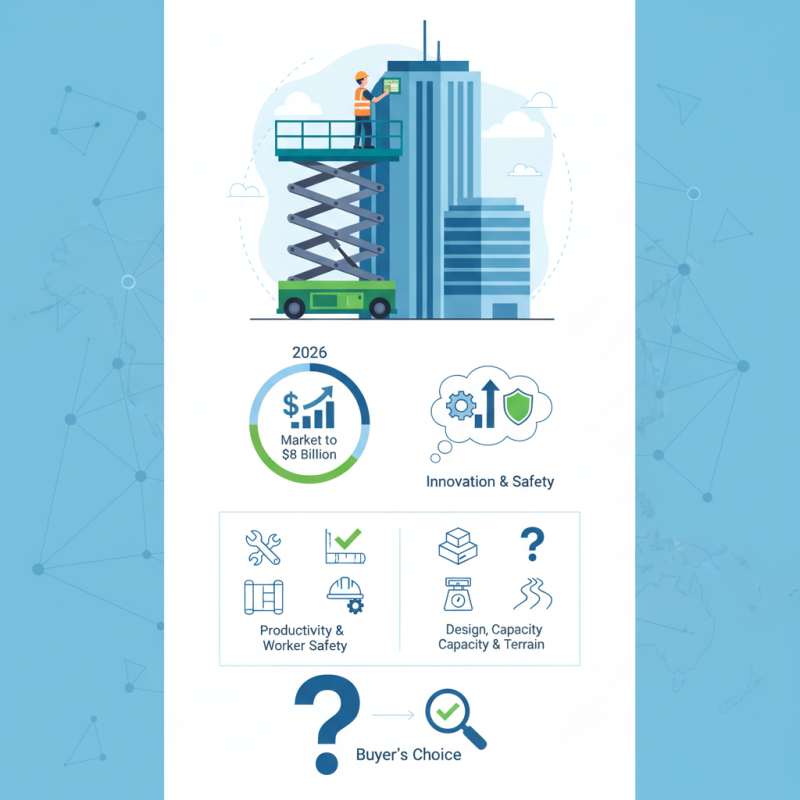
In the ever-evolving construction and maintenance sectors, the demand for reliable Scissor Lift Platforms continues to rise. According to the recent report by Global Industry Analysts, the market is projected to reach $8 billion by 2026. This significant growth reflects the increasing need for safe and efficient access solutions across diverse industries.
Industry expert Dr. Jane Smith highlights the importance of innovation, stating, "The right Scissor Lift Platform can enhance productivity while ensuring worker safety." Such insights underline the critical role these platforms play, especially in urban environments where space is limited.
However, it's essential to acknowledge the challenges in selecting the most suitable equipment. Variability in design, capacity, and terrain suitability can complicate the decision-making process. Buyers must evaluate multiple factors to ensure they invest wisely in Scissor Lift Platforms that align with their specific needs. Reflecting on these complexities can lead to better purchasing choices in the future.
As the demand for scissor lift platforms grows, understanding market trends is crucial. Buyers in 2026 will need to stay informed about various types of scissor lifts. These lifts come in electric, hydraulic, and rough terrain variations. Each type serves specific needs in construction, maintenance, and warehousing industries.
Tips: Prioritize the lift’s weight capacity and reach. Analyze your project requirements carefully. A misjudgment here can lead to inefficiencies.
Recent trends indicate a shift towards electric scissor lifts. These models offer cleaner operation, making them ideal for indoor use. They are also quieter, which can be a significant advantage in urban settings. However, high initial costs may deter some buyers.
Tips: Always consider total cost of ownership, not just upfront expenses. Long-term savings often justify higher costs. Evaluate if maintenance services are included.
The market also sees increased automation in lift designs. Features like remote controls enhance safety and efficiency. Yet, buyers should reflect on training needs for operators. Automated systems can be complex and require thorough understanding.
When selecting a scissor lift platform, several key features play a critical role in ensuring safety and efficiency. Firstly, consider the working height. According to industry data, the optimal working height for aerial lifts ranges from 20 to 50 feet, depending on the task. Evaluate your specific needs to determine the appropriate height range.
Load capacity is another essential factor. Many platforms can support between 500 to 2,000 pounds. An improper load can result in accidents, emphasizing the importance of understanding your requirements clearly. Also, check the platform dimensions. A wider platform offers better stability, particularly in tight spaces.
**Tip:** Regular maintenance is crucial. Inspect safety features regularly to ensure reliability.
Battery life and charging time impact operational efficiency. Some models can run up to eight hours on a single charge, which minimizes downtime. However, remember that performance may diminish over time, especially with heavy use.
**Tip:** Keep track of usage patterns to optimize charging schedules and extend battery lifespan.
In summary, comprehensively assess these features to make a well-informed choice. Investing in the right scissor lift can enhance safety and productivity while minimizing potential risks.
This chart displays key features to consider when choosing a scissor lift platform, including maximum working height, load capacity, battery life, and platform size. The data below represents the average specifications of various scissor lifts expected to be popular in 2026.
As we approach 2026, the global scissor lift market is expected to show significant growth. Increasing construction activities and infrastructure development have driven demand for this equipment. Scissor lifts are ideal for various jobs, from maintenance to construction. They offer high stability and a compact design, making them valuable assets on job sites.
The rise in automation and the focus on safety will further enhance market potential. Safety standards are becoming stricter, leading companies to invest in advanced lifting equipment. However, not all manufacturers comply with these guidelines, which can lead to reliability issues. Buyers must carefully assess their options. Choosing the right scissor lift can directly impact efficiency and safety on the job.
Environmental considerations also play a role in this market's evolution. More companies are seeking eco-friendly solutions, blending sustainability with operational needs. This shift presents a challenge for manufacturers. They must innovate to meet both performance and environmental demands. The path to achieving this balance will require ongoing reflection and adaptation.
| Type | Max Working Height (ft) | Platform Capacity (lbs) | Average Price ($) | Market Share (%) |
|---|---|---|---|---|
| Electric Scissor Lift | 32 | 500 | 15,000 | 40 |
| Rough Terrain Scissor Lift | 50 | 1,000 | 25,000 | 30 |
| Compact Scissor Lift | 20 | 300 | 10,000 | 15 |
| Low-Level Scissor Lift | 12 | 500 | 8,000 | 10 |
In 2026, the scissor lift market is expected to grow significantly, driven by technological advancements and increased demand across various sectors.
According to a recent market research report, the global scissor lift market is projected to reach USD 4.5 billion by 2026, a growth of over 10% from 2021.
This growth reflects the rising trend in construction and maintenance activities worldwide, where scissor lifts play a crucial role in enhancing safety and efficiency.
Top manufacturers are emphasizing innovation. They are focusing on electric models for sustainable operations, as they support eco-friendly practices.
Recent statistics indicate that electric scissor lifts have seen a 20% increase in adoption over the past two years.
This shift could reshape market dynamics, making traditional fuel-powered options less appealing. However, some manufacturers still struggle to keep pace with these trends,
facing challenges in integrating new technologies effectively.
Performance remains a critical factor. Many models now feature enhanced weight capacities and reach, making them suitable for diverse applications.
Yet, maintenance issues persist, with reported downtime negatively impacting productivity.
Choosing the right model involves careful consideration of both performance and reliability.
Buyers should reflect on these elements to ensure optimal investment in scissor lift platforms.
As we look ahead to 2026, safety standards surrounding scissor lifts will play a crucial role in their usage. Regulations set by local authorities and international bodies will evolve. These changes will reflect advancements in technology and safety protocols. It's crucial for companies to stay informed about these regulations. Understanding the legal landscape is not just about compliance; it's about creating a safer work environment.
Increased emphasis will likely be placed on operator training and equipment maintenance. Regular inspections might become mandatory to ensure equipment reliability. Workers want to feel safe while using these platforms. Unintentional accidents can still occur, even with strict regulations. Companies need to establish a culture where safety concerns can be openly discussed. This will help identify flaws in current practices, promoting a proactive approach to safety.
The journey towards achieving a safer operational standard is ongoing. Adapting to new regulations is not without challenges. Companies may find themselves needing more resources for training and compliance. It's a process that requires commitment and reflection. Organizations should be ready to advance their safety measures beyond compliance, ensuring everyone goes home safely.
: There are electric, hydraulic, and rough terrain scissor lifts, each serving specific needs in various industries.
Prioritizing weight capacity is critical. A misjudgment can lead to inefficiencies in project execution.
There is a notable shift towards electric models due to their cleaner operation and reduced noise levels.
Yes, they often have higher initial costs, but long-term savings may justify this investment.
Automation enhances safety and efficiency, but it may require additional training for operators to manage complexities.
The market is projected to grow significantly due to increased construction activities and rising demand for safety in operations.
Eco-friendly solutions are becoming essential. Companies must balance performance with sustainability in their lift choices.
Consider performance reliability, safety standards, and the manufacturer’s compliance with guidelines to avoid potential issues.
Frequent maintenance and reported downtime can hinder productivity and affect overall job site efficiency.
Some struggle to integrate new technologies effectively, impacting their ability to meet emerging market trends.
The article "Best Scissor Lift Platform for Global Buyers in 2026" provides a comprehensive overview of the scissor lift market, highlighting key trends and projections for the upcoming year. It begins by discussing various types of scissor lift platforms available in 2026, illustrating the evolving preferences in user requirements and technology. Crucial features to consider when selecting a scissor lift are outlined, focusing on performance, versatility, and operational safety.
Furthermore, the article addresses the projected growth of the global scissor lift market, driven by increased construction and maintenance activities across sectors. It emphasizes the importance of adhering to safety standards and regulations that are set to influence scissor lift usage, ensuring that buyers not only choose efficient equipment but also comply with necessary safety measures. This synthesis of market trends, features, and regulations provides valuable insights for buyers seeking the best scissor lift platforms in 2026.
