In the current landscape of vertical transportation solutions, the Scissor Lift Car Elevator stands out as a pivotal technology. According to a recent market analysis by Research and Markets, the global elevator market is projected to reach USD 100 billion by 2026, with scissor lifts contributing significantly owing to their efficiency and compact design. This innovative elevator type is especially favored in urban environments where space is limited.
Installing a Scissor Lift Car Elevator can optimize parking space, providing more options for car owners. In cities where real estate prices soar, this technology offers a practical solution. However, buyers often grapple with choices driven by performance, safety, and cost. Quality varies across manufacturers, making it essential to scrutinize specifications and customer feedback before making a purchase.
While the advantages are clear, some challenges arise. For instance, regular maintenance is crucial for safety and longevity, yet this aspect is frequently overlooked by buyers seeking cost-effective solutions. Thus, understanding the nuances of the Scissor Lift Car Elevator is vital for informed decision-making.
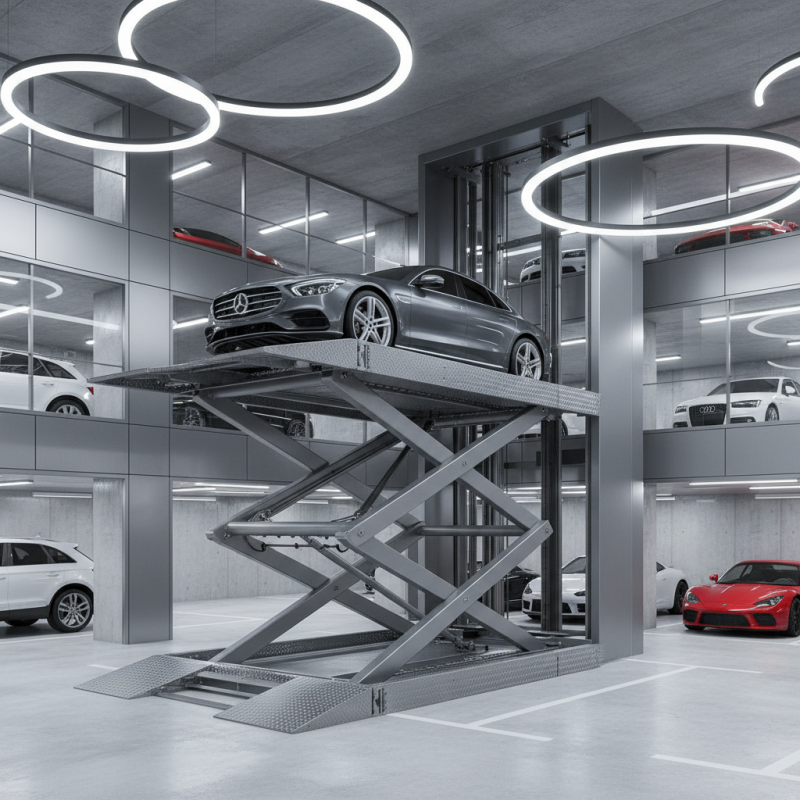
Overview of Scissor Lift Car Elevators and Their Functionality
Scissor lift car elevators are pivotal for urban environments. They efficiently transport vehicles between levels. Often seen in parking structures, these systems enhance space utilization.
According to industry reports, the global scissor lift market is increasing rapidly, with an expected growth rate of
6.5% annually over the next five years. Their compact design allows them to fit in tight spaces where traditional elevators fail.
When considering installation, ensure proper assessments of the building’s structural integrity. Poor planning can lead to operational failures. Regular maintenance is
not just recommended but necessary. Neglecting this can lead to inefficiencies or potential accidents. Some installations are not perfectly aligned, which may cause delays in operation.
Tip: Always consult with structural engineers before installation. This step can help identify any potential issues upfront. Additionally, think about the maximum vehicle weight and size your elevator will support. Many elevators struggle with oversized vehicles, leading to malfunctions. Understanding these factors will enhance functionality and safety.
Key Features to Consider When Choosing a Scissor Lift Car Elevator
When selecting a scissor lift car elevator, several key features come into play. Weight capacity is paramount. Ensure the lift can support the heaviest vehicles in your fleet. The platform size should also accommodate various car dimensions. Too small a platform may lead to safety risks and operational inefficiencies. Look for models with non-slip surfaces to enhance safety during loading and unloading.
Speed is another crucial aspect. A faster lift can streamline operations, particularly in busy environments. However, it should not compromise safety. Consider the lifting height required for your project. Different applications may necessitate varying heights. Always check the stability features during movement. A stable lift minimizes risks of accidents and downtime.
Finally, pay attention to the control features. User-friendly controls can improve efficiency and reduce the learning curve for operators. Operating an elevator with complicated controls can lead to errors. Regular maintenance and accessible repair options also impact long-term reliability. Choose a model that offers ease of maintenance while considering overall costs. Balancing quality and budget can be challenging but is crucial for informed decision-making.
What is the Best Scissor Lift Car Elevator for Global Buyers - Key Features to Consider When Choosing a Scissor Lift Car Elevator
| Feature |
Description |
Importance |
Price Range |
| Weight Capacity |
Maximum load the lift can handle, typically ranges from 2,000 to 6,000 lbs. |
Critical for ensuring safety and functionality. |
$2,000 - $10,000 |
| Platform Size |
Dimensional specifications of lift platform, generally 5x10 ft or larger. |
Affects the number/types of vehicles accommodated. |
$1,500 - $5,000 |
| Height Range |
Maximum lift height, can range from 6 ft to over 20 ft. |
Essential for accessing different levels in multi-story garages. |
$3,000 - $12,000 |
| Safety Features |
Includes emergency stop buttons, safety locks, and anti-slip surfaces. |
Critical for operator and vehicle safety during operation. |
$1,000 - $4,000 |
| Drive Type |
Includes electric, hydraulic, or mechanical systems. |
Influences efficiency and operational costs. |
$2,000 - $8,000 |
| Mobility |
Stationary vs. mobile platforms that can be relocated as needed. |
Beneficial for varied operational needs and space limitations. |
$1,500 - $3,500 |
Top Scissor Lift Car Elevators Recommended for Global Buyers
Scissor lift car elevators are essential for maximizing parking space. They provide a reliable solution for vehicle storage and maintenance. Many global buyers seek options that meet their unique requirements. It's vital to understand key features when selecting the best product. Load capacity, lift height, and platform size are crucial factors. Failing to consider these can lead to frustration and inefficiency.
When exploring available options, buyers should prioritize safety features. Emergency stop buttons and anti-slip surfaces enhance user protection. Consider the operational ease as well. Hydraulic systems are often more reliable than mechanical systems. Users report smoother lifts and minimized breakdowns with hydraulic options. Reflecting on user reviews helps gauge long-term reliability.
Budget constraints also shape decisions. While high-quality lifts can be an investment, cheaper alternatives may compromise safety and durability. Researching maintenance costs is equally important. Regular maintenance ensures longevity and performance. However, some buyers overlook this aspect, resulting in higher unexpected expenses later. It's essential to weigh upfront costs against long-term reliability.
Comparative Analysis of Leading Brands in Scissor Lift Car Elevators
When considering scissor lift car elevators, several factors come into play. A comparative analysis of leading brands reveals slight variations in performance and reliability. Each brand has its strengths and weaknesses, which can affect decision-making.
Tips: Assess the weight capacity and height reach before making a choice. An elevator that appears robust may not always deliver under heavy loads.
The design also matters. Some scissor lifts offer a compact build, which is ideal for tight spaces. Others may be larger but provide enhanced stability. It's crucial to evaluate these dimensions against your specific requirements.
Tips: Always check for safety features. A seemingly minor flaw in safety mechanisms can lead to serious accidents. Being aware of potential shortcomings can save you from costly mistakes.
Comparative Analysis of Leading Scissor Lift Car Elevators
Safety Standards and Regulations for Scissor Lift Car Elevators Worldwide
When considering scissor lift car elevators, safety standards are crucial.
Different regions have their own regulations that must be followed. Compliance with local standards ensures a safe experience for users. For instance, in Europe, EN 280 sets specific requirements for such equipment. In the United States, standards are outlined by the American National Standards Institute (ANSI). These regulations help mitigate risks.
Beyond regulations, training for operators is vital. Knowledge of proper operation reduces the likelihood of accidents. Regular inspections enhance reliability and safety. Documentation of maintenance records can provide crucial insights. However, not all operators prioritize this aspect, leading to potential hazards.
Buyers must take time to understand these complexities. Investing in well-designed safety features is non-negotiable. Many companies misjudge the importance of safety in favor of cost. Cutting corners may seem tempting but can have severe consequences. Ultimately, safety should be a core consideration when choosing a scissor lift car elevator.
Conclusion
Scissor lift car elevators are essential vertical transportation systems designed to efficiently move vehicles between different levels of a building. Their functionality includes maximizing space in parking structures while providing a safe and reliable method for handling various types of cars. When choosing the best scissor lift car elevator, buyers should consider key features such as weight capacity, platform size, and ease of maintenance, which can significantly impact performance and safety.
In addition to evaluating different models, it is crucial to analyze the leading brands in the market based on criteria like durability and user feedback. Furthermore, understanding the safety standards and regulations that govern scissor lift car elevators worldwide ensures compliance and promotes user safety. By considering these aspects, global buyers can make informed decisions that meet their specific needs and adhere to international safety norms.
 Cherish
