
Cherish
Choosing the best Powder Coating Line Manufacturer in China requires more than comparing catalog prices. A reliable supplier should understand your products, coating chemistry, factory space, production volume, and quality targets. Steel frames, aluminum profiles, wheels, and small hardware need different line configurations. A practical manufacturer will inspect your workflow before recommending equipment.
Kevin Coursin, a recognized powder coating industry professional, has offered a useful principle: “A successful powder coating operation depends on the entire system, not one machine.” That view matters. Pretreatment affects adhesion. The curing oven controls finish durability. Conveyor speed influences every coated part. Even a poorly positioned spray gun can create visible unevenness.
Look closely at the details. Ask whether the manufacturer designs the booth, oven, conveyor, recovery unit, and electrical controls as one system. Request production references, test panels, energy data, and service response times. Visit a working installation if possible. A polished showroom is not enough.
The best suppliers also explain limitations honestly. Some imported components may delay maintenance. Some low-cost ovens may consume more energy than expected. A line can look impressive and still perform poorly.
Experience matters here. So does documentation. Check factory capabilities, quality procedures, installation support, and operator training. Ask how the supplier handles color changes, filter replacement, temperature mapping, and future expansion.
There is no universal “best” manufacturer. The right choice depends on measurable requirements and long-term support. Careful evaluation may take longer, but it can prevent costly rework, unstable quality, and production interruptions.
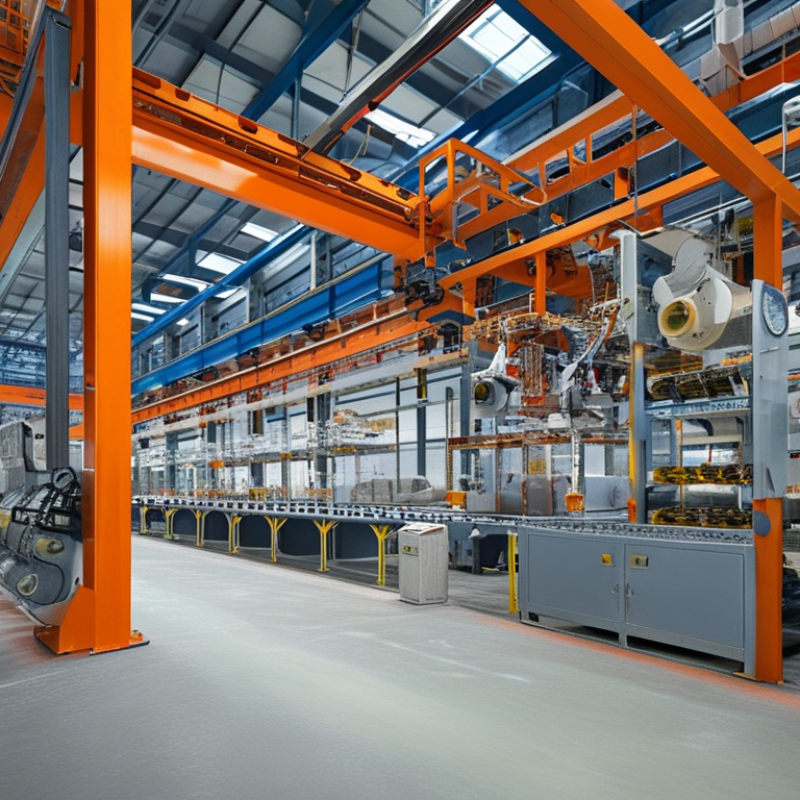
A leading powder coating line manufacturer combines practical experience with measurable engineering ability. The right supplier studies your parts, coating powder, production volume, and factory layout before proposing equipment. A line for steel cabinets differs from one for aluminum profiles. Pretreatment tanks, drying ovens, spray booths, curing ovens, and conveyors must work as one system. Small gaps between processes can create uneven color, poor adhesion, or unnecessary energy use.
Professional manufacturers provide more than attractive drawings. They explain oven temperature uniformity, conveyor speed, airflow, filtration, and powder recovery. They should also offer test reports, electrical documentation, safety procedures, and clear maintenance schedules.
Ask to inspect a working line if possible. Watch the conveyor movement. Listen for unusual fan vibration. Check whether operators can reach filters and spray guns safely. These details reveal manufacturing quality better than a polished sales presentation.
Reliability develops through transparent communication and consistent after-sales support. Experienced suppliers keep spare parts records and train operators with practical instructions. They should understand international installation conditions, but technical claims still need verification. I have seen projects fail because the line was oversized for the workshop. That mistake is expensive. No supplier gets every decision right. A trustworthy manufacturer admits design limits, documents changes, and improves the proposal after testing. This honest process helps buyers choose equipment that performs steadily, not merely equipment that looks impressive on paper.
A reliable powder coating line depends on how well its key equipment works together. The process usually starts with a pretreatment system that removes oil, dust, and surface oxidation. Spray nozzles, heated tanks, and controlled rinsing help create a cleaner surface for adhesion. After washing, a drying oven removes trapped moisture before coating begins. Small details matter here. Poor airflow can leave water inside seams.
The powder booth should provide stable airflow and efficient overspray recovery. Automatic spray guns improve coverage, while manual guns help operators reach corners and recessed areas. A cyclone or filter recovery unit can reduce powder waste when correctly adjusted.
The curing oven then maintains a steady temperature across the work zone. Infrared heating may shorten warm-up time, but hot-air circulation remains important for complex parts. Conveyor speed, hanger spacing, and part thickness must match the curing schedule.
A programmable control system links these machines and records operating data. Sensors can monitor temperature, pressure, airflow, and conveyor movement. In practical factory work, calibration is never a one-time task. Filters clog. Hangers collect powder. Operators still need training and clear inspection points. A capable manufacturer should provide equipment testing, process guidance, spare-part support, and realistic production data. No line is perfect. The better question is whether its design allows quick adjustment when coating thickness, color changes, or energy use become difficult to control.
Best Powder Coating Line Manufacturer in China?
Choosing a Chinese powder coating line manufacturer requires more than comparing quotations. MarketsandMarkets projects the global powder coatings market to reach about USD 15.9 billion by 2027. This growth increases supplier competition, but quality still varies. Ask for verified production records, not attractive brochures. A reliable manufacturer should explain pretreatment chemistry, spray-gun settings, oven airflow, conveyor speed, and powder recovery. Request test panels using your actual metal parts. Inspect coating thickness, adhesion, gloss, and curing consistency. ISO 9001 certification supports process control, but it does not replace factory audits. That distinction matters.
Experience is visible in details. Check weld quality, electrical cabinet labeling, spare-parts availability, and maintenance access. Ask whether the oven temperature remains stable across several zones. Poor uniformity can create orange peel, under-curing, or wasted powder. The Powder Coating Institute describes powder coating as a low-VOC finishing process, yet energy consumption still depends heavily on oven design and line loading. Request measured energy data per coated square meter. Some suppliers may provide estimates instead. Treat them carefully.
Tips: Compare at least three technical proposals. Use the same coating specifications for each quote. Ask for references from similar industries, preferably with operating lines you can inspect. Confirm factory acceptance testing before shipment. Include installation training, calibration support, and response times in the contract. Do not choose the lowest price automatically. I have seen inexpensive equipment become expensive after repeated downtime. Also, no evaluation method is perfect; your product mix may expose weaknesses during real production.
| Evaluation Dimension | Weight | Process Engineering Capability | 15% | The supplier should design the line around the workpiece dimensions, material, target film thickness, production volume, available floor space, and pretreatment requirements. | Layout drawing, process-flow diagram, heat-load calculation, production-capacity calculation, and a written list of design assumptions. | A line may meet its advertised capacity but fail to achieve the required finish, curing performance, or product throughput. | |
|---|---|---|---|---|---|---|---|
| Pretreatment System | 14% | The cleaning and conversion process should match the substrate and coating specification. Key controls include bath temperature, concentration, pH where applicable, rinsing quality, and drainage. | Pretreatment process sequence, chemical-management requirements, tank-material specification, spray-pressure data, and test-panel results. | Insufficient cleaning or rinsing can cause poor adhesion, blistering, flash rust, and reduced corrosion resistance. | |||
| Curing Oven Performance | 14% | The oven should provide uniform part-metal temperature and a controlled cure cycle. Cure requirements must follow the powder supplier's technical data sheet rather than oven-air temperature alone. | Oven temperature-uniformity test, heat-up time, fuel or electrical load data, insulation specification, airflow design, and data-logging method. | Under-curing can reduce hardness and adhesion, while over-curing can damage appearance or coating performance. | |||
| Conveyor and Load Design | 10% | The conveyor must support the maximum distributed and point load, provide the required hanger pitch and speed range, and maintain safe clearance through washing, drying, spraying, and curing zones. | Load calculations, conveyor speed range, hanger drawings, drive specification, incline and turning-radius details, and spare-parts list. | Overloading, unstable workpieces, excessive vibration, or insufficient dwell time can interrupt production and damage parts. | |||
| Spray Booth and Powder Recovery | 10% | The booth should provide stable airflow, practical color-change access, suitable filtration, grounding provisions, and a recovery method compatible with the intended powder and production mix. | Airflow and filtration data, booth dimensions, recovery-efficiency test, cleaning procedure, grounding design, and color-change time estimate. | Poor airflow or recovery design can increase powder waste, create contamination, and raise housekeeping and maintenance requirements. | |||
| Electrical and Safety Compliance | 12% | The equipment should include documented guarding, emergency stops, interlocks, electrical protection, ventilation, grounding, and fire-prevention measures appropriate to the installation location. | Electrical schematics, risk assessment, safety-circuit description, component certificates, operating instructions, and conformity documentation applicable to the destination market. | Missing safeguards may lead to unsafe operation, regulatory delays, insurance issues, or costly site modifications. | |||
| Automation and Control System | 8% | The control system should provide stable temperature, conveyor-speed, spray, and pretreatment monitoring, with clear alarms and adjustable recipes where required. | Control-panel layout, I/O list, alarm list, recipe functions, remote-support method, software backup procedure, and operator training plan. | Limited control visibility can increase setup time, process variation, troubleshooting time, and dependence on the supplier. | |||
| Quality Assurance and Testing | 7% | The manufacturer should use documented inspection and testing procedures for fabricated parts, electrical systems, temperature performance, conveyor operation, and final line integration. | Factory acceptance-test plan, inspection records, weld and coating-quality procedures, calibration records, and sample production report. | Undetected fabrication or integration problems may appear only after installation, causing delays and additional travel costs. | |||
| Installation and Commissioning Support | 5% | The offer should clearly define installation scope, utilities required, commissioning activities, operator training, acceptance criteria, and responsibility for local contractors. | Installation schedule, utility list, commissioning checklist, training agenda, acceptance protocol, and named support contacts. | Unclear responsibilities can result in idle equipment, schedule disputes, and unexpected installation expenses. | |||
| Warranty, Service, and Spare Parts | 5% | The supplier should provide written warranty terms, troubleshooting support, recommended critical spares, maintenance intervals, and realistic response times for technical assistance. | Warranty document, spare-parts price list, preventive-maintenance schedule, service process, remote-support details, and escalation procedure. | Long downtime or difficult-to-source parts can reduce the actual value of a lower purchase price. | |||
| Total Evaluation Weight | 100% | Use a consistent 1–5 score for each dimension, multiply the score by the assigned weight, and compare suppliers using the same project assumptions. | |||||
Best Powder Coating Line Manufacturer in China?
Customization, Quality Control, and Production Capabilities
Selecting a powder coating line manufacturer in China requires more than comparing prices. Experienced suppliers study your product size, coating material, daily output, and workshop layout. A line for bicycle frames differs greatly from one for steel cabinets. Conveyor speed, booth width, curing oven length, and spray-gun quantity must match real production needs. Practical suppliers can provide layout drawings, process calculations, and sample coating trials before manufacturing begins.
Quality control should be visible at every stage. Ask how the manufacturer checks oven temperature across different zones. Request records for electrical components, conveyor load tests, and coating thickness measurements. Reliable teams also inspect adhesion, surface appearance, and curing performance on trial workpieces. Production capability matters too. A capable factory should have machining equipment, assembly areas, testing tools, and trained technicians. It should support installation and adjustment after delivery. No system is perfect. Even a well-designed line may need tuning when humidity, powder type, or product weight changes.
Tips: Visit the factory remotely or in person. Review recent project photos, but ask for measurable details. Confirm spare parts, training, warranty terms, and response times in writing. A useful supplier will explain limitations instead of promising everything. Small details matter. Record your target output, coating thickness, color changes, and acceptable defect rate before requesting a quotation.
A powder coating line is not judged by equipment alone. After-sales support often determines whether production starts smoothly or loses weeks. Ask about commissioning, operator training, remote diagnosis, and on-site response times. A reliable manufacturer should provide wiring diagrams, maintenance schedules, spare-parts lists, and clear service contacts. Keep critical items nearby, such as sensors, heating elements, filters, and conveyor components. Small parts can stop a large line.
Compliance must match the destination market and the actual process design. Request electrical schematics, pressure-related documents, safety assessments, and test records before signing. Confirm that the booth, oven, controls, and ventilation system meet applicable local requirements. Do not accept vague claims like “international standard.” The buyer still carries responsibility for local installation and operation. This part is often underestimated.
The purchase price is only one number. Calculate freight, customs handling, installation, utilities, exhaust systems, powder recovery, training, spare parts, and future energy use. Compare oven insulation, burner efficiency, conveyor load, and expected output. A lower quote may hide expensive upgrades. We have seen planning errors around factory space and power capacity. That mistake is avoidable, but not always avoided. Ask for a layout based on your real workpieces, including loading gaps, color changes, and cleaning time. Request references from comparable production environments and verify measurable results, not polished promises.
: A capable manufacturer studies your workpieces, powder type, output, and factory layout. Steel cabinets need different equipment from aluminum profiles. The design should connect pretreatment, drying, spraying, curing, and conveying smoothly. Small process gaps can cause uneven color or weak adhesion.
A typical line includes pretreatment tanks, a drying oven, spray booth, curing oven, and conveyor. Automatic guns improve general coverage. Manual guns help reach corners and recessed areas. Recovery equipment can reduce powder waste when adjusted correctly.
Ask for temperature uniformity data, airflow details, conveyor speeds, and filtration information. Review electrical documents, safety procedures, and maintenance schedules. If possible, inspect an operating line. Watch the conveyor. Listen for fan vibration. Check whether operators can safely reach filters and spray guns.
Pretreatment removes oil, dust, and surface oxidation from the workpiece. Controlled rinsing creates a cleaner surface for coating adhesion. The drying oven must remove trapped moisture. Water can remain inside seams when airflow is poor.
The oven should maintain stable temperatures throughout the working zone. Hot-air circulation helps coat complex parts evenly. Infrared heating may shorten warm-up time. Conveyor speed, hanger spacing, and part thickness must match the curing schedule. Small mismatches can damage coating quality.
A programmable system can connect equipment and record operating data. Sensors may track temperature, pressure, airflow, and conveyor movement. Calibration requires regular attention. Filters clog. Hangers collect powder. Operators need clear inspection points and practical training.
Support should include commissioning, operator training, remote diagnosis, and clear response times. Request wiring diagrams, maintenance schedules, spare-parts lists, and service contacts. Keep sensors, heating elements, filters, and conveyor parts nearby. One small part can stop a large line.
Include freight, customs handling, installation, utilities, exhaust systems, training, and spare parts. Also estimate future energy use and powder recovery costs. A lower quotation may hide expensive upgrades. Compare oven insulation, burner efficiency, conveyor load, and expected output.
Request a layout using your actual workpieces and loading gaps. Include color changes, cleaning time, operator movement, and maintenance access. Check available floor space and electrical capacity before ordering. An oversized line may look impressive but perform poorly in a small workshop. A proposal can still be wrong.
Choosing the best Powder Coating Line manufacturer in China requires more than comparing prices. A leading supplier should offer a complete and well-integrated solution, including pretreatment systems, drying ovens, spray booths, curing ovens, conveyors, control systems, and efficient powder recovery technology. Important evaluation criteria include engineering experience, equipment stability, production capacity, material quality, automation level, and the ability to design lines for different product sizes, materials, and coating requirements.
Customization and quality control are equally important. Reliable manufacturers should provide clear technical specifications, factory testing, installation support, operator training, and documented inspection procedures. Buyers should also assess production schedules, spare-parts availability, warranty terms, after-sales response, safety compliance, and energy efficiency. Finally, the total purchasing cost should include transportation, installation, commissioning, maintenance, and future operating expenses. A careful comparison of these factors helps buyers select a capable partner and achieve consistent coating quality, dependable performance, and long-term value.
