
Cherish
In today’s competitive market, efficiency is paramount for any business aiming for growth. One transformative solution is the Spraying Line. This technology revolutionizes how products are coated, painted, or finished. By adopting a Spraying Line, businesses can enhance their productivity while ensuring consistent quality.
Using a Spraying Line presents numerous advantages. It streamlines processes, reducing time and labor costs. The precision of a Spraying Line minimizes waste and maximizes resource usage. Businesses often see improved product quality as even finishes become effortless. However, not all businesses are aware of these benefits. Understanding the potential of a Spraying Line can lead to significant operational changes.
Moreover, integrating a Spraying Line may prompt challenges. Initial setup costs and training can be a hurdle. Businesses must also consider maintenance and operational adjustments. Reflecting on these aspects ensures a well-rounded approach to implementing this technology. Ultimately, the Spraying Line stands as a powerful tool for those willing to navigate its complexities.
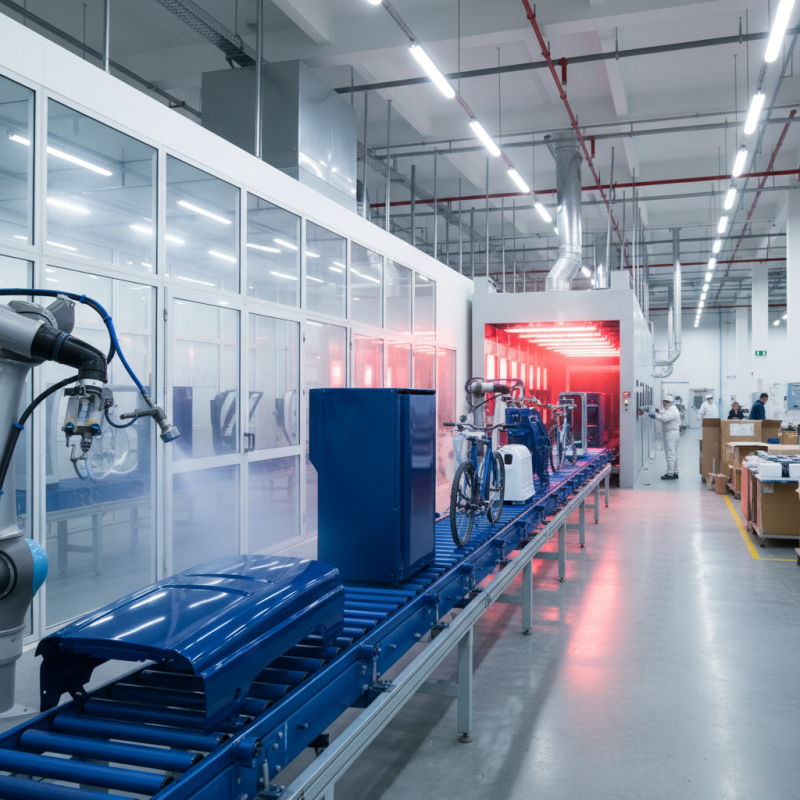
In modern businesses, employing a spraying line can significantly enhance efficiency and productivity. These systems, designed for coating and finishing processes, optimize material application and reduce waste. According to a recent industry report, companies using automated spraying lines can achieve a 30% reduction in paint usage. This leads to lower operational costs and increased profit margins.
Spraying lines also improve the quality of finished products. The precision they offer minimizes overspray, resulting in a smoother and more uniform coat. A study showed that businesses adopting these systems reported a 25% increase in customer satisfaction due to better product quality. However, implementing such technology requires careful planning and initial investment. Companies must assess their specific needs to avoid potential pitfalls.
While the advantages are notable, some challenges persist. Skill gaps can hinder the optimal use of spraying lines. Staff training is essential but may be overlooked. Additionally, the maintenance of such systems requires ongoing attention, adding to operational complexity. Without adequate preparation, businesses might not fully reap the benefits of this technology.
Automated spraying systems are transforming the manufacturing landscape. These systems enhance efficiency by streamlining operations. According to a recent study by the Association for Manufacturing Technology, automated systems can increase production rates by up to 40%. This boost helps businesses meet growing demands without compromising quality.
Precision is another critical benefit of automated spraying. Data from the American Coatings Association reveals that automated technologies lead to a reduction in material waste by nearly 30%. This not only saves money but also supports sustainability efforts. However, transitioning to automated systems requires careful planning and training. Many companies struggle with the initial upfront costs and setup complexity, which can be daunting.
Integrating automated spraying systems can seem challenging. Staff may resist the change due to unfamiliarity. Training is essential to mitigate this. By fostering a culture of adaptation, businesses can realize the full potential of automation. Those who invest in this transformation can gain a significant competitive edge. However, the hidden costs related to maintenance and upgrades can arise. It’s important to maintain ongoing assessments to ensure long-term success.
The cost-effectiveness of a spraying line is undeniable. According to industry reports, companies can reduce labor costs by up to 30% when implementing automated systems. This shift not only streamlines operation but also minimizes human error. In a recent survey, 70% of businesses noted a significant drop in material wastage, primarily due to precise application techniques. The more accurate the spraying, the less excess material is left behind.
Furthermore, some experts estimate that adopting a spraying line can lead to a 20% reduction in paint consumption. This translates into substantial savings over time. Observational data shows that businesses with traditional spraying methods often struggle with inconsistent coating thickness. This inconsistency can lead to rework, further increasing costs. Automated spraying lines provide a uniform application that significantly lowers this risk.
However, it’s essential to remember that transitioning to a spraying line requires upfront investment. Some companies face challenges in training staff to operate new systems. Not all team members may adapt quickly, leading to temporary productivity dips. It’s crucial to weigh the long-term savings against these initial hurdles. A careful approach can turn potential pitfalls into opportunities for improvement.
Implementing a spraying line in your business can significantly enhance quality control. With a consistent application process, businesses can reduce variability in finishes. This leads to products that meet inspection standards more reliably. Automated systems also minimize human error, contributing to a more uniform appearance. The results are evident in the final product's texture and color.
However, not all spraying lines operate perfectly. Initial setup errors can lead to inconsistent sprays which may cause uneven finishes. Regular maintenance and calibration are crucial to keep the system functioning optimally. A minor malfunction of the equipment can derail quality efforts, causing delays in production timelines. Addressing these imperfections is key to ensuring that the benefits of a spraying line are fully realized.
Consistency in finishes not only meets customer expectations but also builds brand trust. Clients favor businesses that deliver reliable quality. The reputation for excellence can set a company apart in competitive markets. Constant reflection on the spraying process can lead to improvements. Collecting feedback and implementing changes will enhance the overall quality control.
Spraying lines offer significant environmental benefits. By adopting advanced spraying technologies, businesses can minimize waste. Precision in application ensures that only the necessary amount of material is used, reducing chemical runoff into soil and water systems. Moreover, many modern systems are designed to be more efficient and less hazardous.
Sustainable practices in spraying not only help the planet but can enhance a company’s image. Eco-friendly practices appeal to consumers who value sustainability. Companies that invest in greener technologies may find new markets and opportunities. However, the transition can be challenging. Training staff for proper system use is crucial.
Over time, these investments yield both environmental and economic returns. Yet, the commitment to sustainability should be ongoing. Continuous improvement is key in this ever-evolving landscape.
: Spraying lines enhance efficiency, reduce waste, and lower operational costs. They can improve product quality and customer satisfaction.
Automated systems can boost production rates by up to 40%, effectively meeting rising demands.
Automated spraying can reduce material waste by nearly 30%, promoting sustainability and saving costs.
Challenges include skill gaps, initial investment costs, and the complexity of integration and maintenance.
Proper training helps staff adapt to new technology, maximizing efficiency and minimizing operational issues.
Yes, ongoing maintenance and potential upgrades can lead to hidden costs that companies should consider.
Companies should evaluate their specific needs and potential pitfalls to maximize the benefits of spraying systems.
Fostering a culture of adaptation and providing adequate training can help reduce resistance and enhance acceptance.
Neglecting maintenance can lead to equipment inefficiency, ultimately diminishing the technology's benefits.
Yes, many businesses find the upfront costs and setup complexity daunting, which can deter adoption.
The use of a Spraying Line in modern businesses offers a multitude of benefits that enhance operational efficiency and product quality. These automated spraying systems significantly streamline processes, allowing for faster application and improved precision, which leads to a reduction in both labor costs and material wastage. This efficiency translates into considerable cost savings, making Spraying Lines a smart investment for businesses looking to optimize their production.
Additionally, the implementation of a Spraying Line contributes to improved quality control. The consistent finishes achieved through automated processes ensure that products meet high standards, which is essential for customer satisfaction. Furthermore, businesses adopting these systems are often able to implement more sustainable practices, reducing their environmental impact by minimizing overspray and ensuring responsible material usage. Overall, the advantages of utilizing a Spraying Line extend beyond immediate operational benefits to encompass long-term sustainability and quality assurance.
